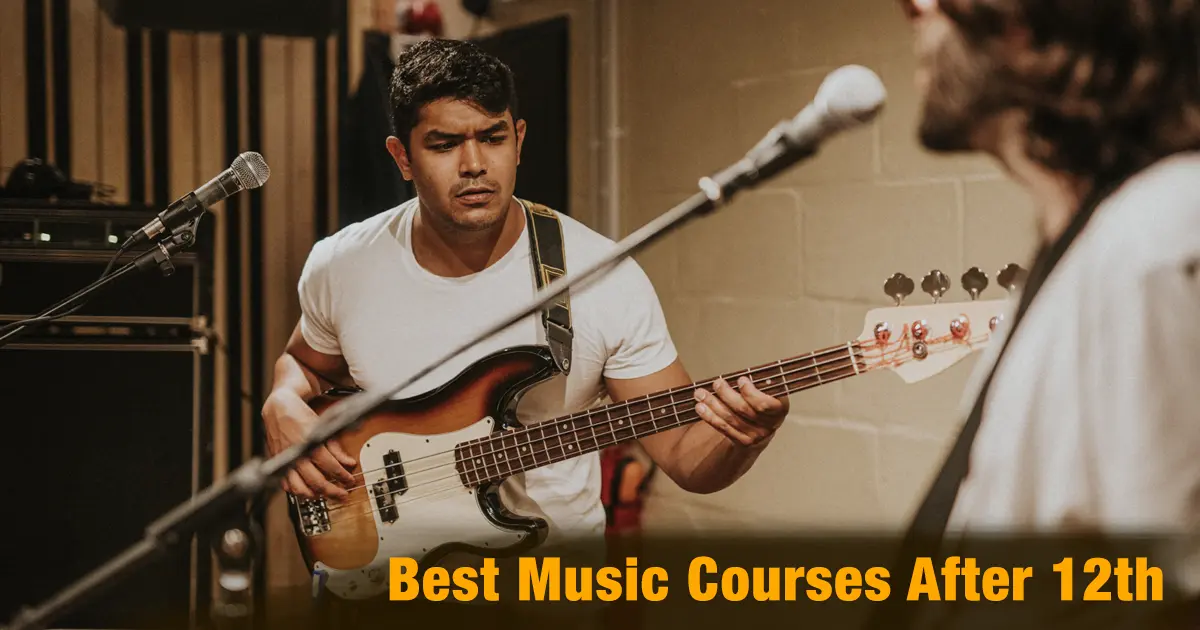
Music can be more than a passion for some students. The field can offer a rewarding career path in media, film, live events, education, and digital technology. Students who want to turn their passion for music into a profession can pursue formal music programs.
The best music courses are aimed at catering to students of different skill levels and career aspirations. This guide will help students to understand the best music courses after 12th, top career opportunities and how to choose the right music courses.
Why Choose Music as a Career After 12th?
A career in music encourages students to turn their passion into a full-time career. There are new opportunities in digital media, OTT platforms, and live events for those passionate about music. Music jobs today are not just about performing. There are now opportunities in music production, audio engineering, and artist management. Formal training may help students build technical skills and industry exposure.
Benefits of taking a structured course after 12th include:
- Professional training in music theory
- Technical and artistic skills that are in demand in the industry
- Creates pathways to various jobs, higher education, or starting your own venture
Music Course Eligibility
Students from different academic streams can apply for the program, provided they meet the basic eligibility criteria set by the university. Students from streams of Science, Commerce and Arts are also eligible. These courses generally require a 10+2 qualification from a recognized board, typically with a minimum of 45% to 50% aggregate marks. While prior musical training is highly preferred, a passion for music and clearing a practical aptitude test are often the primary admission criteria. Students may be required to complete auditions, entrance examinations, or submit a portfolio, depending on the requirements of the institution.
Top Music Courses After 12th
Below is the music courses list after 12th, organized by course type:
1. Music Degree Courses (Undergraduate Programs)
These music degree programs after 12th usually last for three to four years and provide comprehensive training.
| Course Name |
Duration |
Focus Area |
| BA in Music (Vocal/Instrumental/Classical/Hindustani/Carnatic) |
3 years |
Music theory, composition, singing, and instruments |
| BA (Hons) in Music |
3–4 years |
Advanced music theory and performance |
| BMus (Bachelor of Music) |
3–4 years |
Music theory, composition, performance |
| BFA (Bachelor of Fine Arts) in Music |
3–4 years |
Music combined with the stage or the visual arts |
| BPA (Bachelor of Performing Arts) – Music |
3–4 years |
Practical and theoretical music training |
| BSc in Sound Engineering & Music Production |
3 years |
Audio recording, mixing, editing, and production |
BMus in Music Production and Performance
(offered by select institutions) |
3–4 years |
Music production and live performance |
2. Diploma Music Courses
Diploma music courses typically last 1–2 years and focus on practical, skill-based training:
| Diploma Course |
Duration |
Specialization |
| Diploma in Music |
1–2 years |
General music training |
| Diploma in Indian Classical Music |
1–2 years |
Hindustani or Carnatic music |
| Diploma in Western Music |
1–2 years |
Western theory, piano, guitar |
| Diploma in Music Production & Sound Engineering |
1–2 years |
Audio engineering, DAW, recording |
| Diploma in Music Composition |
1–2 years |
Composition, arrangement, scoring |
| Diploma in Performing Arts (Music) |
1–2 years |
Vocal, instrumental and stage performance |
These music diploma courses are ideal for students who want a quicker entry into the profession or want to specialize in areas such as sound engineering, production, or composition.
3. Certificate Courses in Music
These are short-term programs lasting for 6 months to 1 year. These programs are mostly suitable for students interested in improving their skills in a certain area.
- Certificate Course in Music Performance
- Certificate in singing (playback)
- Certificate in Music Therapy, Sound Recording, and Editing
Choosing Courses Based on Career Goals
Choosing the right depend on the students' interests and career goals. Students should select courses based on the reputation of institutions, preferred specialization, career opportunities and also the growing demand for the field. Below is the list of the best music courses in India:
| Interest |
Best Course Options |
Careers |
| Classical singing or an instrument |
BA or BMus in Indian Classical Music |
Classical Performer, Music Teacher, Gurukul Artist, Cultural Program Artist |
| Music production and technology |
BSc in Sound Engineering or Diploma in Music Production |
Sound Engineer, Audio Engineer, Music Producer, Studio Technician |
| Playback singing |
BA Music and Certificate in Playback Singing |
Playback Singer, Studio Vocalist, Jingle Singer |
| Composition and scoring |
BMus in Music Production or Diploma in Music Composition |
Music Composer, Background Score Composer |
| Live performance |
BPA (Music) or Diploma in Performing Arts (Music) |
Live Performer, Concert Artist, Band Musician |
| Music therapy |
Certificate or Diploma in Music Therapy |
Music Therapist, Clinical Music Therapist, Rehabilitation Specialist |
Career Opportunities After Music Course
Top job options after music course are extensive and span across industries like film, education, music therapy and more. These opportunities include:
| Industry |
Job Roles & Opportunities |
| Film and Entertainment Industry |
Composers, playback singers, sound engineers. |
| Music Technology and Production |
Music producers, sound designers, and audio engineers for gaming or OTT content creation. |
| Education and Academia |
Educator at schools, colleges, or music academies. |
| Live Events and Concerts |
Touring musicians, stage performers, and event sound technicians at concerts, festivals, and corporate events. |
| Recording Studios |
Sound engineers, music producers, session musicians, and audio technicians for recording and mixing projects. |
| Radio Stations |
Audio engineers, jockeys, and music directors for various radio stations and private FM channels. |
| Gaming Industry |
Background score composers, sound designers, and audio engineers for the interactive media industry. |
Other Top Careers in Music
Completing any music course opens diverse opportunities, such as:
- Musician (Vocalist/Instrumentalist)
- Arranger & Orchestrator
- Music Therapist
- Music Librarian
- Music Business Manager
- A&R Representative (Artists & Repertoire)
- Music Director
- Choir Master
- Ethnomusicologist
- Acoustician
Earnings for students after the music course vary significantly depending on specialization, experience, projects, and freelance opportunities. The actual earning potential is determined by the career path you choose, your own expertise and the current demand in the industry.
How to Choose the Right Music Course
Choosing the right music degree courses after 12th needs time and thought. Students can take a strategic approach to make the best decision.
- Evaluate their interests and talents: If they would enjoy a career in singing (BA/BMus in Vocal Music), or Instrumental Music, or Sound Engineering or Music Production.
- Check the eligibility criteria: If passing 12th grade is sufficient, or if any additional certification or entrance exam is required.
- Check program reputation and quality: Before enrolling in programs, students must verify the reputation and accreditation of the institute. They must check industry partnerships, teacher qualifications, career opportunities and alumni success.
- Check if the course aligns with long-term goals: While selecting a degree, students must check if the program aligns with future career goals and interests.
Higher Studies After Music Course
Students who have completed a degree in music may continue their education in the following fields:
- MA in Music (Vocal/Instrumental/Applied Music)
- MMus (Master of Music)
- MFA (Master of Fine Arts) in Music
- MPA (Master of Performing Arts) – Music
- MSc in Sound Engineering & Audio Technology
- PhD in Music (for academic or research careers)
- MBA in Music Business
- MA Performing Arts
- MA/MSc Audio Production
These educational routes open up opportunities in research, teaching, and industry positions such as production and composition.
Quick Comparison: Degree vs Diploma vs Certificate
| Factor |
Degree in Music |
Diploma Music Courses |
Certificate Courses |
| Duration |
3–4 years |
1–2 years |
6 months – 1 year |
| Depth of Study |
Comprehensive theoretical and practical training in music |
Focuses on skill-based training for specific areas |
Skill-specific learning |
| Cost |
Requires a relatively higher financial investment. |
Involves moderate tuition fees. |
The most economical option has lower fees. |
| Career Scope |
Career opportunities in various fields, higher education opportunities in MA or MMus |
Helps students become industry-ready quickly after completion. |
Ideal for upskilling or pursuing music as a passion. |
| Best Suited For |
Students seeking long-term career advancement in music |
Students who want a quick entry into the industry |
Students looking for skill enhancement |
Final Thoughts
Choosing the best music courses after 12th is a crucial decision for students, as it can serve as a foundation for a music career. To turn their passion into a reality, students can choose diploma music courses, short-term certificates, or pursue formal UG/PG programmes. India’s music industry is advancing with career opportunities in film, media, agencies, production houses and music therapy.
If you are ready to pursue a career in music, explore the BA in Music program at JAIN (Deemed-to-be University). Start your music journey today.
FAQs
Q1. What is the scope after doing a music course after 12th?
A1. Pursuing a music course after 12th opens careers in music composition, sound engineering, playback singing, teaching, live performance, and music therapy. Opportunities include across film, streaming, live events, and the education industries.
Q2. What are the key areas of specialization in music?
A2. Music specializations include vocal or instrumental performance, Indian and Western classical music, music production, composition, music technology, sound engineering, and playback singing.
Q3. What is a music production course?
A3. A music production course trains students in recording, mixing, mastering, and sound design, using digital audio workstations (DAW). It also helps learn music creation techniques for films, ads, games, and streaming platforms.
Q4. What is the eligibility for doing a bachelor’s course in music after 12th?
A4. Students must have passed Class 12 from any stream. Some top colleges require entrance tests or auditions to assess the musical ability and knowledge of students.
Q5. Can one get a job after doing a music course?
A5. Some of the top job options after music course include careers as musicians, composers, producers, sound engineers, playback singers, music teachers, therapists, or audio technicians in studios, the film industry, and event companies.