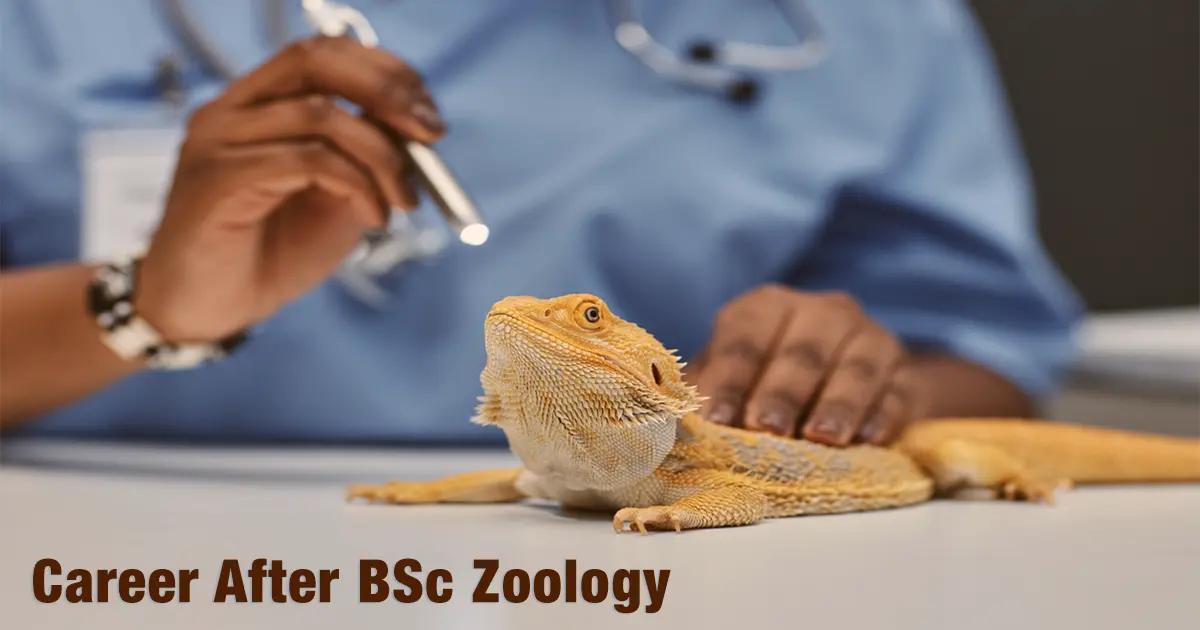
BSc Zoology is a foundational life science degree focused on animal biology, encompassing cellular physiology, genetics, evolutionary processes, and ecological dynamics. This program is commonly pursued by individuals interested in wildlife conservation, marine biology, laboratory research, biotechnology, and healthcare sciences.
The scope of BSc Zoology extends into critical sectors like environmental impact assessment, pharmaceuticals, and public health.
This article explores both higher education pathways and career tracks, providing an objective overview of the professional responsibilities, academic requirements, and entry-level compensation trends within the field.
What to do After BSc Zoology
Graduates holding this degree can explore multiple professional pathways based on their specific goals. Beyond immediately entering the workforce or choosing to pursue advanced degrees, individuals can combine their credentials with short-term certifications, specialized research projects, internships, or entrepreneurial ventures in fields like aquaculture and vermicomposting.
For individuals targeting public sector pathways, government jobs after BSc Zoology provide stable career tracks in forestry, wildlife management, animal husbandry, and environmental departments. Securing these positions requires passing department-specific competitive examinations and meeting distinct age and fitness benchmarks.
Choosing the right postgraduate specialization is equally critical for long-term career growth. When evaluating options, students often get confused while trying to determine after BSc Zoology which course is best. However, to identify the ideal fit, candidates should carefully analyze their undergraduate BSc Zoology syllabus to identify specific areas of interest, such as molecular physiology or entomology.
| Courses After BSc Zoology |
Duration |
General Eligibility Criteria |
| MSc Zoology |
2 Years |
BSc in Zoology or Biological Sciences with a minimum of 50%–55% aggregate marks; selection frequently depends on CUET-PG or institutional entrance exams. |
| MSc Marine Biology |
2 Years |
BSc in Zoology, Botany, or Life Sciences with 50% minimum marks; admissions vary strictly by university-specific tests or academic merit. |
| MSc Wildlife Biology |
2 Years |
BSc in any branch of Biological Sciences, meeting specific physical fitness or fieldwork benchmarks where institutional tests apply. |
| MSc Forensic Science |
2 Years |
BSc in Zoology, Chemistry, or Allied Sciences with a minimum of 50%–55% marks; clearing specific entrance tests like AIFSET or CUET-PG is often mandatory. |
| MSc Biotechnology |
2 Years |
BSc in Zoology, Life Sciences, or Biotechnology with a 55% aggregate; admission typically requires qualifying IIT-JAM Biotechnology or GAT-B scores. |
| MSc Environmental Science |
2 Years |
BSc in any Science discipline with 50% aggregate marks; entrance requirements depend strictly on the state or central university norms. |
| Post Graduate Diploma in Life Sciences |
1 Year |
Graduate degree in any Biological Science branch; selection is usually based on undergraduate merit. |
Note: Admission requirements may vary significantly by institution.
Jobs and Salary in BSc Zoology
Entry-level BSc Zoology graduates can secure diverse operational, laboratory, and field-based roles across wildlife conservation, environmental consultancies, corporate healthcare, and forestry departments.
The table below highlights some common job roles. It also provides information on the average BSc Zoology salary ranges in India.
| Job Profile |
Core Responsibilities |
BSc Zoology Salary (Average Range Per Annum) |
| Zoologist |
Conducts laboratory research, collects biological data, catalogs wildlife species, and assists in scientific reporting. |
₹3 LPA – ₹8 LPA |
| Environmental Consultant |
Evaluates ecological impacts of construction projects, conducts field soil and water studies, and assists in drafting environmental legal compliance reports. |
₹4 LPA – ₹10 LPA |
| Zoo Officer |
Assists in daily zoo operations, monitors animal health logs, schedules feeding times, and guides educational tours for visitors. |
₹3.5 LPA – ₹9 LPA |
| Medical Coder |
Analyzes patient medical records, translates clinical diagnoses into standardized medical codes, and processes documentation for insurance claims. |
₹3 LPA – ₹6 LPA |
| Marine Biologist |
Analyzes ocean water samples, tracks marine organism migration patterns, maintains laboratory tanks, and processes data for conservation projects. |
₹4 LPA – ₹10 LPA |
| Conservation Officer |
Monitors local natural habitats, reports wildlife protection law violations, checks anti-poaching boundaries, and conducts public awareness programs. |
₹3.5 LPA – ₹8 LPA |
| Forest Range Officer |
Inspects assigned forest beats, supervises anti-poaching ground patrols, and oversees local tree plantation and reforestation activities. |
₹4 LPA – ₹9 LPA |
| Toxicologist |
Assists in testing chemical effects on biological tissue samples, documents lab observations, and maintains laboratory safety equipment. |
₹5 LPA – ₹12 LPA |
Note on Salary Ranges: The salary ranges listed above represent standard market averages. Actual entry-level pay depends heavily on the geographic location, the hiring sector (private corporations vs. public departments), and the candidate's prior internship experience.
Skills Required for BSc Zoology Jobs
Succeeding in the field requires graduates to have a balanced combination of specialized technical capabilities and strong analytical skills.
- Fieldwork and Data Collection: Professionals must be proficient in environmental sampling techniques, species identification methods, and the handling of tracking equipment like GPS devices and GIS mapping systems.
- Laboratory Proficiency: Mastery of microscopy, specimen preparation, genetic isolation techniques, and standard chemical safety guidelines is vital for experimental success.
- Statistical Analysis: Translating biological observations into actionable research requires a strong grasp of data analysis tools and foundational statistical software.
- Scientific Communication: Writing clear environmental impact assessments, research proposals, and corporate compliance documentation is crucial for multi-departmental reporting.
Many of these technical competencies are introduced directly through the practical laboratory sessions and fieldwork modules included in a comprehensive BSc Zoology syllabus.
Scope of BSc Zoology
The expansion of global conservation initiatives and biotechnology research drives a strong, continuous market demand for trained zoological professionals. Graduates find clear employment pathways in wildlife tourism, corporate pathology laboratories, vaccine manufacturing units, and climate change research facilities.
The professional scope in this sector centers on three major expanding industries:
- Environmental Planning: Increased corporate regulations require specialists to evaluate how industrial projects impact local wildlife habitats before construction begins.
- Biomedical Diagnostics: Rising investments in healthcare and genetic engineering create consistent roles for testing biological samples and assisting in pharmaceutical research.
- Public Policy: Government and private agencies rely on experts to gather field data, ensuring that environmental protection policies and wildlife safety laws are backed by solid evidence.
This diverse corporate and public investment ensures a highly stable job market, translating academic knowledge into long-term field and laboratory careers.
Conclusion
A degree in BSc Zoology serves as a versatile foundation for multiple professional pathways across the biological sciences. Whether entering the workforce immediately or transitioning into postgraduate research, graduates find that early practical exposure helps clarify how a career after BSc Zoology can develop successfully over time.
For those looking to expand their expertise beyond general animal biology, exploring various courses after BSc Zoology in specialized disciplines like Biochemistry, Microbiology, Biotechnology, or Computational Biology provides an excellent competitive edge. Students interested in pursuing these advanced scientific paths can explore the diverse postgraduate programs offered by JAIN (Deemed-to-be University).
Detailed information regarding the various available courses and eligibility criteria can be found on the official academic portal.
FAQs
Q1: What can I do with my Zoology degree?
A1: To build a career after BSc Zoology, one can explore diverse operational roles across field research, wildlife management, and environmental monitoring. Common job profiles include working as a zoologist, environmental consultant, marine biologist, or zoo officer. Academic advancement through postgraduate courses can also open up further career pathways.
Q2: Can I do MBBS after BSc Zoology?
A2: Yes, you can pursue an MBBS after graduation. However, a BSc degree does not provide direct entry into medical school. You must qualify for the NEET exam and meet the standard age and subject criteria required for medical admissions.
Q3: Is Zoology a good career?
A3: Zoology can be a viable career path for individuals interested in animal science and conservation. The field offers professional opportunities across both private corporate and public sectors. The increasing global focus on habitat conservation and climate impact assessments helps support a steady demand for qualified biological professionals.
Q4: What are the government jobs after a BSc Zoology?
A4: Graduates can clear competitive exams held by the UPSC, SSC, or State PSC to enter public service. Prominent government jobs after BSc Zoology include Forest Range Officer and conservation officer positions. Candidates must fulfill specific departmental eligibility criteria and clear the required selection rounds to apply.