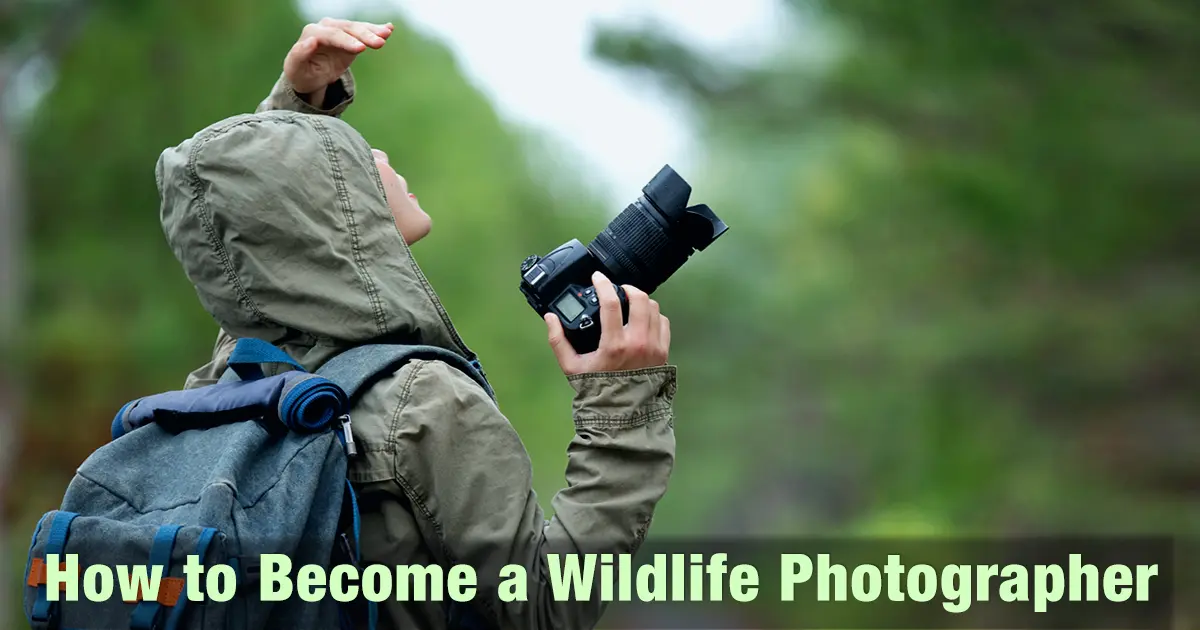
If you are a photography enthusiast who enjoys capturing mesmerizing moments of the wild, you may often ask yourself: Can wildlife photography be a profession?
The answer is yes. Wildlife photography offers career opportunities across conservation, media, publishing, tourism, and freelance photography.
However, it takes more than just good camera skills to succeed in this field.
You must have solid technical expertise, patience, knowledge about animal behavior, and the willingness to work long hours in unpredictable outdoor settings.
To know more about how to become a wildlife photographer, including the skills, qualifications, and career opportunities, read on.
Who is a Wildlife Photographer?
Wildlife photography is considered a type of photography that deals with taking pictures of animals found in their natural environment.
Wildlife photographers can work independently or can be hired by a variety of publications which deal with different wildlife subjects.
While some wildlife photographers prefer to concentrate on a certain type of animal or ecosystems, others focus on marine life or animals living in the Arctic regions of the world.
This form of photography involves hectic traveling to various forests, national parks, mountains, deserts, and other natural locations where these individuals photograph wild animals. Their work appears in various magazines, books, exhibits, documentaries, and art galleries.
How to Become a Wildlife Photographer?
Becoming a wildlife photographer is exciting, but it takes time, patience, and practice to become successful in this field. Along with learning photography skills, you need to understand animal behavior to capture natural moments safely.
The table below gives a step-by-step guide on how do you become a wildlife photographer:
| Step |
How Do I Become a Wildlife Photographer? |
Why it matters |
| 1. Learn the basics of Photography |
Start by understanding camera settings, composition, lighting, focus, and exposure. Practice with the camera you already have before investing in expensive equipment. |
A strong foundation in photography helps you capture better wildlife images. |
| 2. Invest in the right camera equipment |
Once you understand the basics, upgrade to a DSLR or mirrorless camera, a telephoto lens, a sturdy tripod, and other essential accessories based on your needs and budget. |
Professional equipment helps capture sharp, detailed images from a safe distance. |
| 3. Study animal behavior and wildlife |
Learn about different species, their habitats, feeding habits, movement patterns, and behavior. Visit wildlife sanctuaries, national parks, and nature reserves to observe animals responsibly. |
Understanding wildlife helps you predict animal movements and photograph them safely without disturbing them. |
| 4. Practice Wildlife Photography regularly |
Photograph birds, mammals, insects, or other local wildlife in parks, forests, or nature reserves. Experiment with lighting, action shots, and composition to improve your skills. |
Regular practice helps you develop confidence, patience, and technical expertise. |
| 5. Learn photo editing |
Use editing software such as Adobe Lightroom or Photoshop to enhance exposure, colors, contrast, and sharpness while keeping images natural. Also learn to select your strongest photographs. |
Editing refines your work and gives your photographs a professional finish. |
| 6. Build a professional portfolio |
Creating a solid portfolio is an important step on how to become a animal photographer. It should feature your best wildlife photographs across different species, locations, seasons, and environments. Focus on quality rather than quantity. |
A strong portfolio demonstrates your skills and helps attract clients, publications, and employers. |
| 7. Take a personal wildlife project |
Start documenting a particular species, habitat, conservation issue, or local ecosystem over time to develop a unique body of work. |
Personal projects strengthen your portfolio and showcase your storytelling abilities. |
| 8. Network with industry professionals |
Connect with wildlife photographers, editors, conservation organizations, magazines, and photography communities. Participate in workshops, exhibitions, and photography contests. |
Networking creates opportunities for collaborations, assignments, mentorship, and recognition. |
| 9. Start earning through wildlife photography |
The final step on how to become a animal photographer is to set competitive pricing, take up freelance assignments, license your images, sell prints, contribute to publications, or work with conservation organizations and media companies. |
Building multiple income streams helps establish a sustainable career as a wildlife photographer. |
Are Academic Credentials Important?
Wildlife photography does not require a specific degree or formal certification to enter the field. However, learning photography through a degree, diploma, certification, or professional training can help you build the technical skills and practical knowledge needed to succeed.
Here is a general overview of all the courses that you can consider to complement your wildlife photography career:
| Course category |
Relevant courses |
Duration (approx.) |
| Degree courses |
- Bachelor of Arts (BA) in Visual Arts and Photography
- Bachelor's Degree in Zoology with a minor/elective in Photography
- Bachelor's Degree in Biology, Ecology, or Environmental Science with Photography electives
|
3-4 years |
| Diploma courses |
- Diploma in Photography
- Diploma in Professional Photography
- Post Graduate Diploma in Advanced Wildlife Management
|
1-2 years |
| Certificate courses |
- Certificate in Photography
- Certificate in Basic Photography
- Certificate in Advanced Photography
- Certificate in Digital Photography
- Certificate in Nature and Wildlife Photography
- Certificate in Wildlife Management
|
A few weeks to 1 year |
| Skill-based courses |
- Wildlife photography workshops
- Field-based training
- Conservation photography programs
- Photo editing courses
- Drone photography (where permitted)
- Visual storytelling programs
|
A few days to several months |
Different Income Avenues in Wildlife Nature Photography
Many wildlife photographers earn well by selling their photographs, especially after gaining experience and establishing a strong portfolio.
However, if you are pursuing this activity as a part-time hobby, you can also turn it into a rewarding side income by selling your work, taking freelance assignments, or exploring other opportunities as explained below:
| Category |
Who you work with |
What you do |
Nature of payment |
Best suited for |
| Client work |
Brands, NGOs, tourism boards, conservation organizations, publishers, media houses |
Undertake commissioned photography, editorial assignments, and visual storytelling projects |
Project fee, assignment fee, or contract |
Intermediate to advanced |
| Passive income |
Stock photography agencies, publishers, collectors, online marketplaces |
License images and sell prints, calendars, books, and other merchandise |
Royalties, licensing fees, and product sales |
Intermediate to advanced |
| Teaching and mentoring |
Photography enthusiasts, educational institutions, travel companies |
Conduct workshops, wildlife tours, mentoring sessions, and online courses |
Participant fees or course revenue |
Intermediate to advanced |
| Media and content creation |
Online audiences, brands, advertisers |
Create content for YouTube, Instagram, blogs, and other digital platforms to build a personal brand |
Ad revenue, sponsorships, affiliate income, and brand collaborations |
Beginner to advanced |
| Grants and recognition |
Wildlife foundations, conservation organizations, government agencies, photography bodies |
Apply for grants, undertake conservation projects, and participate in photography competitions |
Grants, sponsorships, prize money, or awards |
Intermediate to advanced |
Wildlife Photographer Salary in India and Abroad
There is no fixed wildlife photographer salary in India and abroad as this type of career depends on the type of project you are involved in, experience level and skill set.
Factors such as taking assignments as a full-timer, freelancer or part-time photographer can significantly influence overall income.
However, we have provided a rough salary estimate for these photographers in India and abroad based on job listings and labor statistics such as Jobted.in and BLS:
| Experience level |
Average annual salary (India) |
Average annual salary (Abroad) |
| Entry level (0-3 years) |
INR 1.2 LPA |
USD 30,000-35,000 |
| Mid-level (4-9 years) |
INR 4.2 LPA |
USD 35,000-45,000 |
| Experienced (10-20 years) |
INR 5.9 LPA |
USD 45,000-60,000+ |
| Highly experienced (20+ years) |
INR 6.5 LPA |
USD 60,000+ |
The income scale varies as it comes from different revenue streams.
Key Skills Required for a Successful Wildlife Photography Career
A wildlife photographer works under extreme weather conditions to bring the best glimpses of wildlife to the world.
To become a successful wildlife photographer, you must have a set of technical and soft skills that will help you to capture splendid pictures and grow professionally. These skills are as follows:
| Technical skills |
Soft skills |
| Photography techniques: Understanding camera settings, exposure, shutter speed, aperture, autofocus, and composition. |
Passion for wildlife: A genuine interest in wildlife and nature that drives continuous learning and improvement. |
| Animal behavior and fieldcraft: Understanding animal habits, habitats, and movement patterns to anticipate wildlife actions. |
Patience: Waiting for long hours in unpredictable conditions to capture the perfect shot. |
| Lighting techniques: Using natural light and weather conditions to create compelling photographs. |
Perseverance: Staying motivated despite challenging weather, terrain, or unsuccessful shoots. |
| Photo and AI-assisted editing: Proficiency in Adobe Lightroom, Adobe Photoshop, and AI-powered editing tools while maintaining image authenticity. |
Observation skills: Recognizing wildlife behavior, environmental changes, and photographic opportunities. |
| Equipment handling: Operating DSLR or mirrorless cameras, telephoto lenses, tripods, drones (where permitted), and other photography equipment. |
Physical endurance: Working in remote locations and carrying equipment for extended periods. |
| Video shooting: Capturing high-quality wildlife videos and short-form content for documentaries and digital platforms. |
Adaptability: Adjusting to changing weather, lighting, terrain, and wildlife activity. |
| Storytelling and visual communication: Creating compelling visual narratives that support conservation and wildlife awareness. |
Creativity: Capturing unique perspectives and producing engaging visual stories. |
| Digital marketing and personal branding: Building a portfolio, optimizing content for SEO, managing social media, image licensing, networking, and client management. |
Ethical responsibility: Following responsible wildlife photography practices that prioritize animal welfare and habitat conservation. |
Final Thoughts
Wildlife Photography is one of the fascinating careers that provides professional freedom to observe and capture life at its natural best through the lens of your camera.
While the profession comes with its share of challenges, building the right skills and creating a strong portfolio can help you turn your passion into a rewarding career.
If you enjoy photography and are willing to learn the craft, pursuing formal education can strengthen your technical knowledge, creative vision, and practical experience.
JAIN (Deemed-to-be University) offers unique programs that help students develop technical expertise, creative thinking, and industry-relevant skills to prepare for a wide range of creative careers.
So, what are you waiting for? Take the first step today. Turn your passion into a rewarding career pathway.
FAQs
Q1: How can I become a wildlife photographer?
A1: To become a wildlife photographer, learn the fundamentals of photography, understand animal behaviour, and practise regularly in natural environments. Build a strong portfolio, develop editing skills, and gain experience through freelance projects, workshops, or internships.
Q2: What is the salary of a wildlife photographer?
A2: The salary of a wildlife photographer depends on experience, employment type, and income sources. In India, earnings typically range from INR 1.2 LPA for beginners to INR 6.5 LPA or more for highly experienced professionals, while freelancers may earn more through multiple revenue streams.
Q3: How to make money from wildlife photography?
A3: Wildlife photographers can earn by taking client assignments, licensing images, selling prints, conducting workshops, leading photography tours, creating online content, and working with magazines, conservation organisations, or stock photography platforms.
Q4: Is wildlife photography a good career?
A4: Yes. Wildlife photography can be a rewarding career for those who are passionate about nature and photography. While it requires patience, technical expertise, and dedication, experienced photographers can build a sustainable career through diverse income opportunities.