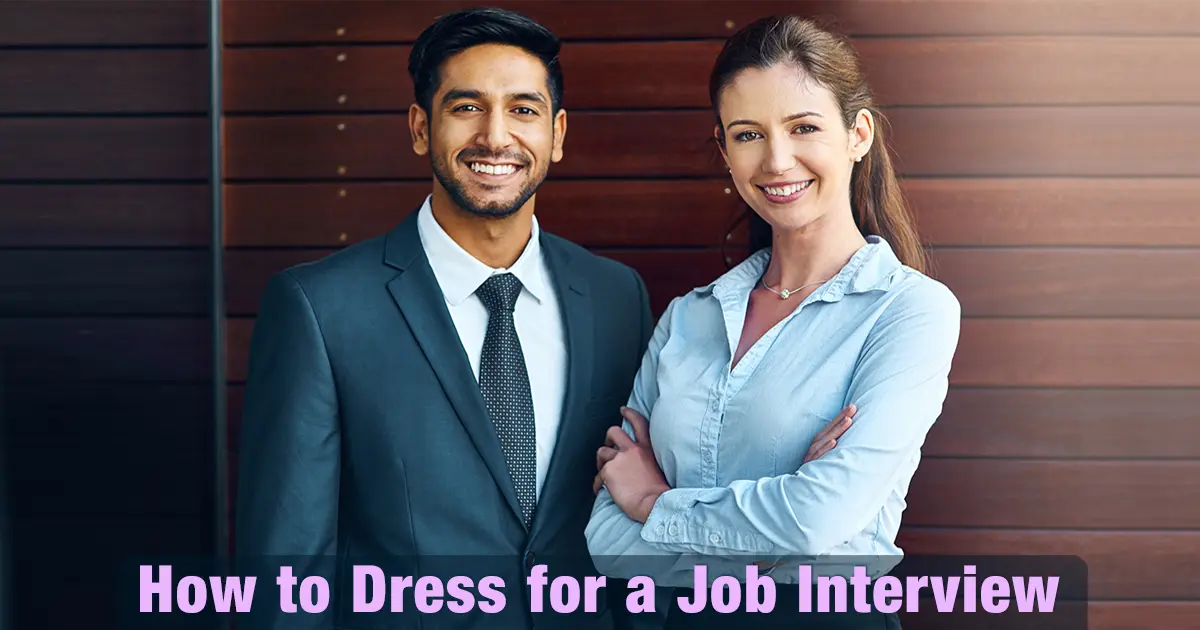
Research suggests that interviewers often begin forming first impressions within the first few seconds of meeting a candidate, and what you wear plays a role in shaping that perception. Your answers matter, and so does your resume, but before you say a word, your appearance has already communicated something about your professionalism and how seriously you take the opportunity. That is why understanding how to dress for an interview is not just a last-minute decision; it is an important part of presenting yourself with confidence and good judgment.
This guide covers the practical aspects of interview dressing, from understanding a company's dress code to choosing an outfit that suits the role you are applying for. It also highlights common mistakes that can quietly undermine an otherwise strong interview.
Why Your Interview Attire Matters More Than You Think
Your skills, experience, and interview performance remain the primary factors in a hiring decision. At the same time, interviewers are also assessing whether you understand the culture you are stepping into. Choosing the right attire for interview settings shows that you have done your homework on the company, respect the interviewer's time, and understand what is appropriate for the workplace. It is less about making a fashion statement and more about demonstrating professionalism and good judgment.
There is also a psychological aspect to consider. Research on enclothed cognition suggests that what you wear can influence not only how others perceive you but also how you think, feel, and perform. Dressing with intention can help you feel more confident, communicate more clearly, and approach the conversation with greater composure. As you plan your attire for interview preparation, think of it as one part of being fully prepared, alongside researching the company and practising your responses.
Understanding Interview Dress Codes
Before you pick an outfit, you need to understand the interview dress code the company is likely to expect. Dress codes vary widely depending on the industry, role, and workplace culture, so there is no one-size-fits-all approach.
| Dress Code |
Typical Companies & Industries |
What It Looks Like |
| Formal / Business Professional |
Banks, Big Four consulting firms, government organizations, law firms |
Tailored suit, dress shirt, formal shoes, minimal jewelry |
| Business Casual |
Corporate HR teams, educational institutions, healthcare administration, large corporate offices |
Blazer or cardigan with trousers or a skirt, collared shirt, closed-toe shoes |
| Smart Casual |
Startups, SaaS companies, creative agencies |
Well-fitted chinos or dark jeans, a neat shirt or blouse, clean sneakers or loafers |
| Casual |
Some tech companies, retail, hospitality |
Neat, presentable clothing without being too relaxed; avoid graphic T-shirts or shorts |
If you are unsure which category applies, look at the company's website, social media pages, or the LinkedIn profiles of current employees. You can also ask the recruiter about the interview dress code before your interview. Most recruiters expect this question and appreciate candidates who want to prepare appropriately. If you are attending a virtual interview, dress professionally from head to toe in case you need to stand up or adjust your camera. When in doubt, it is usually better to dress one level more formally than risk appearing underprepared.
How to Dress for an Interview: General Principles
Regardless of the specific dress code, a few principles apply across almost every interview setting.
- Fit matters more than price: A modestly priced outfit that fits you well will always look more polished than an expensive one that hangs poorly or feels tight. If you are unsure about fit, a local tailor can make small adjustments to hemlines, sleeves, or waistlines for a reasonable cost.
- Keep your clothes clean and wrinkle-free: Even a well-fitted outfit can look careless if it is wrinkled or stained. Iron your clothes the night before, check for loose threads or missing buttons, and make sure your shoes are clean.
- Colors should be calm, not distracting: Neutral tones such as navy, charcoal, black, beige, and white create a professional foundation. A single accent color, such as a tie, scarf, or blouse in a muted shade, can add personality without drawing attention away from the conversation.
- Choose accessories carefully: Keep accessories simple and functional. A classic watch, a matching belt, and a clean professional bag or folder are usually enough. Avoid oversized jewelry or accessories that create unnecessary noise or distraction.
- Grooming is part of the outfit: Clean, trimmed nails, neatly styled hair, and minimal, unobtrusive fragrance all contribute to the overall impression. None of this needs to be elaborate; it simply needs to look intentional.
- Comfort supports confidence: If your shoes pinch or your collar feels too tight, you will be distracted by discomfort instead of focusing on your answers. Try on your complete outfit at least a day before the interview, ideally while sitting down, since many interviews take place across a table or on video.
Keeping these principles in mind will help you understand how to dress for an interview, even when you are not entirely sure about a company's specific workplace culture.
Outfit for Interview: What to Wear for Different Roles
The right outfit for interview situations depends heavily on the role you are applying for. A corporate finance interview and a graphic design interview call for noticeably different approaches, even within the same company.
For outfits for job interview scenarios in traditional or corporate settings, consider the following as a reliable base:
- For men: A well-fitted suit in navy, charcoal, or black, paired with a light-colored dress shirt, a conservative tie, polished leather shoes, and a belt that matches the shoe color.
- For women: A tailored blazer with matching or coordinating trousers or a knee-length skirt, a simple blouse, closed-toe heels or flats, and understated jewelry.
For roles in tech startups, design studios, or other less formally structured workplaces, you can dial the formality down while still looking put together. A blazer over a plain shirt with dark jeans, or a smart dress with a cardigan, often strikes the right balance. The goal with any outfit for interview planning is to look like someone who already belongs in that environment, not someone auditioning for a role they have not yet studied.
Virtual Interview Dressing
Dressing for a virtual interview deserves the same level of attention as an in-person meeting. Even if the interviewer only sees you on screen, your appearance contributes to the first impression you make. Choose the same professional outfit you would wear to the office, and dress completely rather than only from the waist up in case you need to stand or adjust your camera. Solid, neutral colors generally work better on camera than busy patterns, while good lighting and a neat background help keep the focus on you. Before the interview, do a quick camera test to check how your outfit looks on screen and make any necessary adjustments.
What Should I Wear to an Interview: A Quick Decision Framework
If you are still asking yourself what should I wear to an interview, use this short sequence of questions to narrow things down:
- What does the company's website and social media suggest about its culture?
- Is the interview in person or on video? Video interviews still call for professional dressing from head to toe in case you need to stand or adjust your camera.
- Will you be meeting clients, senior leadership, or other executives during the interview? If so, a more formal outfit is often the safer choice.
- What is the seniority of the role? More senior positions generally call for slightly more formal dressing.
- Do you have a similar outfit already, or do you need a day or two to prepare one?
Working through these questions removes the guesswork and helps you make a confident decision instead of scrambling at the last minute.
Industry-Specific Interview Outfits
The right interview outfit depends on the industry you are applying to. While professionalism is always expected, the level of formality can vary across workplaces.
- Banking, law, consulting, and government: A business professional outfit is the safest choice. A tailored suit or blazer with formal trousers or a skirt, a collared shirt, and formal shoes create a polished appearance.
- Corporate HR, education, healthcare administration, and large organizations: Business casual is generally appropriate. Pair a blazer or cardigan with tailored trousers or a skirt, along with closed-toe shoes.
- Startups, SaaS companies, and creative agencies: Smart casual is often acceptable. Well-fitted chinos or dark jeans paired with a neat shirt or blouse and clean leather sneakers or loafers can strike the right balance between professionalism and workplace culture.
- Retail, hospitality, and customer-facing roles: Choose neat, practical clothing that reflects the brand's image while remaining professional. Comfortable, clean footwear is especially important if the role involves standing or interacting with customers.
When you are unsure, research the company's workplace culture through its website, social media, or employee profiles on LinkedIn. If the expectations are still unclear, dressing one level more formally is usually the safer option.
Interview Grooming Checklist
Your outfit is only one part of your overall appearance. A few simple grooming checks can help you look polished and professional.
- Hair: Ensure your hair is clean, neatly styled, and does not fall across your face. If you have long hair, tie it back if it helps you appear more presentable.
- Shoes: Wear clean, polished shoes that match your outfit. Check for dirt, scuff marks, or worn-out soles before leaving.
- Nails: Keep your nails clean and trimmed. If you wear nail polish, make sure it is fresh and free of chips.
- Breath: Brush your teeth before the interview and carry mints if needed. Avoid foods with strong odors beforehand.
- Fragrance: Use deodorant and, if you choose to wear perfume or cologne, apply it lightly. Strong fragrances can be distracting in enclosed spaces.
Last-Minute Interview Checklist
The Night Before
- Lay out your complete interview outfit, including shoes and accessories.
- Iron your clothes and check for stains, loose buttons, or wrinkles.
- Pack copies of your resume, certificates, portfolio, and any required documents.
- Charge your laptop or phone if you have a virtual interview.
- Check the interview location, travel route, and expected travel time.
The Morning of the Interview
- Dress in your complete outfit and do a final mirror check.
- Make sure your shoes are clean.
- Carry a professional bag or folder with your documents.
- Eat a light meal and stay hydrated.
- Leave early to account for traffic or unexpected delays.
- For virtual interviews, test your internet connection, camera, microphone, lighting, and background 10–15 minutes before the scheduled time.
These sections make the article more actionable by giving readers practical steps they can follow immediately before an interview.
What not to Wear to an Interview
Certain choices consistently work against candidates, regardless of the industry:
- Strong perfumes or colognes that can be distracting in a small room
- Wrinkled, stained, or visibly worn clothing
- Dirty or poorly maintained shoes
- Overly casual footwear, such as flip-flops, or athletic sneakers in a formal setting. Clean, minimal leather sneakers may be acceptable in some startup or creative workplaces where the dress code is more relaxed.
- Excessive jewelry or accessories that make noise, such as multiple bangles, or draw unnecessary attention
- Clothing with visible logos, slogans, or graphics
- Hats or caps worn indoors unless required for religious or medical reasons
- Sunglasses worn on your head during the interview
- Chipped nail polish or neglected grooming
- Outfits that are too tight, too loose, or clearly uncomfortable to sit in for an extended period
Avoiding these common mistakes is just as important as choosing the right outfits for job interview settings. The same principles apply whether your interview is in person or conducted over video.
How to Dress Professionally on a Budget
You do not need an expensive wardrobe to learn how to dress professionally for an interview. A small capsule wardrobe built around versatile pieces, such as a well-fitted blazer, neutral trousers, and a solid-colored shirt or blouse, can be mixed and matched for different occasions. If you do not own formal wear, consider borrowing a blazer from a friend or family member or renting an outfit for important interviews. Thrift stores and outlet stores are also good places to find quality formal clothing at lower prices, and a skilled tailor can make inexpensive pieces look much more polished. Before every interview, iron your clothes yourself or have them pressed to ensure they are wrinkle-free. Keeping your formal clothing clean, well-maintained, and stored properly will help it last longer and leave a better impression.
Common Challenges Candidates Face
Many candidates struggle less with knowing the rules and more with applying them when the expectations are unclear. If a company's culture is not obvious from its website, reach out to the recruiter or check recent employee posts on LinkedIn for clues about the workplace dress code. If you are interviewing for a role in a different city or country, local norms may differ from what you are used to, so spending a few minutes researching regional professional attire is worthwhile. If you are interviewing during hot weather, choose breathable fabrics such as cotton or cotton blends that keep you comfortable while still looking professional. During the rainy season, carry an umbrella and take a moment to wipe your shoes before entering the interview venue so you do not track in water or mud. For video interviews, remember that lighting and camera angles can affect how colors and clothing appear on screen, so recording a short test video beforehand can help you spot and fix any issues before the interview.
Career Guidance Resources
At JAIN (Deemed-to-be University), coursework is paired with career guidance sessions, mock interview practice, and workshops that cover practical aspects of job searching, including interview presentation and workplace etiquette. These sessions are handled separately from academic coursework and are typically organized through the university's career services department.
The curriculum includes opportunities for students to interact with recruiters and industry professionals through campus placement drives, guest lectures, and industry projects, which gives students some exposure to professional settings before they enter the job market. Career services teams are also available to review resumes and discuss interview preparation with students individually. This kind of preparation covers areas like communication and presentation alongside subject knowledge, so that students have some practical grounding to draw on when they go into an actual interview.
Final Thoughts
Dressing for an interview is a small piece of a much larger preparation process, but it is one that is entirely within your control. Once you understand the dress code, choose an outfit that fits well, and pay attention to grooming and comfort, you can stop thinking about your appearance and focus fully on the conversation itself. That shift in attention often makes the biggest difference in how an interview actually goes.
Interview attire is just one part of career preparation. Explore the undergraduate and postgraduate programmes, career services, and industry collaborations offered by JAIN (Deemed-to-be University) to learn how they support students in building successful careers.
FAQs
Q1. What are 5 rules for dressing for an interview?
A1. A reliable set of rules includes: dress one level more formal than the company's everyday dress code unless told otherwise, choose neutral colors with at most one accent piece, make sure everything fits properly rather than relying on price alone, keep grooming clean and understated, and prioritize comfort so you are not distracted during the conversation. Together, these rules cover most situations you are likely to encounter.
Q2. What is the 3-3-3 rule for clothing?
A2. The 3-3-3 rule is a simple way to plan an interview outfit by breaking it into three parts: three main clothing pieces (such as a blazer, shirt, and trousers or skirt), three accessories or finishing touches (such as a belt, watch, or simple jewelry), and three grooming elements (such as neat hair, trimmed nails, and light fragrance). It is a useful checklist for making sure you have not overlooked any part of your presentation.
Q3. What not to wear to an interview?
A3. Avoid strong fragrances, wrinkled or worn clothing, overly casual footwear like flip-flops or sneakers in formal settings, excessive or noisy jewelry, clothing with visible logos or slogans, and anything that does not fit comfortably enough to sit through a full conversation.