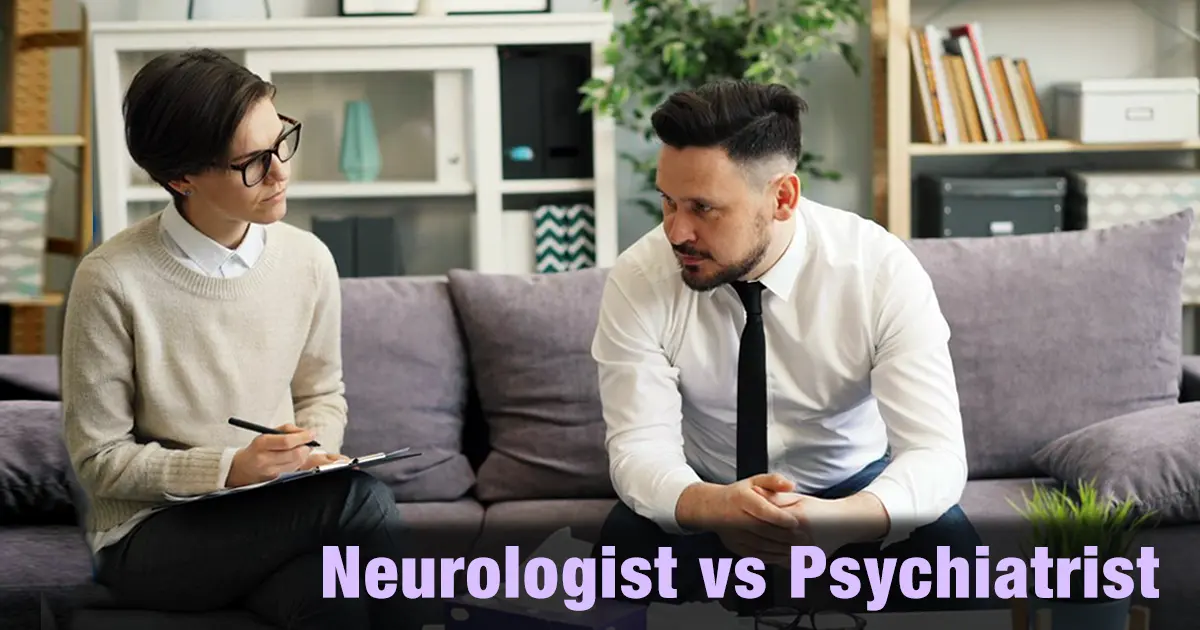
Both neurologists and psychiatrists are specialists who deal with the brain and nervous system. Many people are confused about the difference between the two. Neurologists are specialists who diagnose and treat disorders of the brain, spinal cord, nerves and muscles. Psychiatrists are specialists who deal with mental, emotional and behavioral health conditions.
This article provides information on the difference between psychiatrist and neurologist professions, their qualifications, responsibilities and conditions they treat in order to help students make a wise career decision if they are interested in one of these professions.
Who is a Neurologist?
Neurologists are doctors who specialize in diagnosing and treating diseases of the nervous system, including the brain, spinal cord and peripheral nerves. They diagnose structural or functional diseases of the nervous system through physical examination, neurological examination, imaging tests, and laboratory tests.
Here are some common neurological disorders:
- Stroke
- Epilepsy
- Parkinson’s disease
- Alzheimer’s disease and other dementias
- Multiple sclerosis
- Migraine and chronic headaches
- Peripheral neuropathy
- Brain tumors
- Narcolepsy
- REM sleep behavior disorder
- Neuromuscular disorders
Treatment plans may include medications, rehabilitation therapies, lifestyle changes, or referrals to neurosurgeons if surgery is necessary.
Who is a Psychiatrist?
A psychiatrist is a licensed medical doctor who specializes in diagnosing, treating, and helping prevent relapse of mental health disorders. They assess how biological, psychological, and social factors affect an individual’s mental health. Treatment typically involves medication management, psychotherapy, and behavioral interventions.
Common conditions treated by psychiatrists include:
- Depression
- Anxiety disorders
- Bipolar disorder
- Schizophrenia
- Obsessive-compulsive disorder (OCD)
- Post-traumatic stress disorder (PTSD)
- Eating disorders
- Substance use disorders
- Personality disorders
Psychiatrists create individualized treatment plans, which may include medications, counseling, cognitive behavioral therapy (CBT), or referrals to psychologists and other mental health professionals when appropriate.
Neurology vs Psychiatry
For understanding neurology vs psychiatry, it’s important to understand that both specialties focus on the brain, but they have different approaches to patient care. Neurology is a medical specialty that addresses diseases caused by structural, electrical or physiological problems of the nervous system.
Neurologists diagnose and treat specific neurological diseases such as stroke, epilepsy and multiple sclerosis. They use neurological examinations, imaging studies and other diagnostic tests to determine how the nervous system is functioning.
Psychiatry is a medical speciality focused on mental illnesses that affect emotions, thoughts, behavior and perception. Psychiatrists treat patients with diseases such as depression, anxiety disorders, bipolar disorder and OCD. While mental illnesses are related to brain function, they are usually diagnosed through comprehensive clinical evaluations, not just through imaging.
Neurologist vs Psychiatrist Differences
Understanding the neurologist vs psychiatrist comparison begins with recognizing that both specialists study the brain but focus on different aspects of health.
| Feature |
Neurologist |
Psychiatrist |
| Educational Qualification |
MBBS, followed by MD (General Medicine/Pediatrics) and DM in Neurology.
Or
MBBS, followed by MD/DNB (General Medicine/Pediatrics) and DrNB in Neurology. |
MBBS, followed by MD in Psychiatry. |
| Primary focus |
Disorders of the brain, spinal cord, nerves, and muscles. |
Mental, emotional, and behavioral disorders. |
| Conditions treated |
Stroke, epilepsy, Parkinson's disease, migraines, multiple sclerosis. |
Depression, anxiety, bipolar disorder, schizophrenia, PTSD. |
| Diagnosis Techniques |
Neurological examination, MRI, CT scans, EEG, EMG, Nerve conduction studies (NCS), blood tests. |
Psychiatric interviews, behavioural assessments, and diagnosis using DSM-5 or ICD-11 diagnostic criteria. |
| Treatment Methods |
Medications, neurological procedures, and referrals for surgical or supportive care when required. |
Psychiatric medications, psychotherapy, counseling, electroconvulsive therapy (ECT), and behavioral therapies. |
| Work Settings |
Hospitals, neurology clinics, stroke centers, rehabilitation facilities. |
Hospitals, psychiatric hospitals, mental health clinics, private practice, community health centers |
Understanding the difference between psychiatrist and neurologist lies in the fact that both physicians study the brain, but they approach different aspects of health.
Conditions That May Require Both Specialists
There are some health conditions that have symptoms from both neurology and psychiatry and require both specialists to work together. Some of these conditions include:
- Dementia
- Parkinson’s disease with depression
- Epilepsy with anxiety or mood disorders
- Traumatic brain injury
- Functional neurological disorders
- Multiple sclerosis with cognitive or emotional symptoms
Here, neurologists treat the neurological disease, and psychiatrists help in managing the mental health symptoms associated with it. This improves the overall patient outcomes.
Neurology and Psychiatry Difference in Training
In India, both neurologists and psychiatrists start with an MBBS degree. After MBBS, students qualify through the NEET-PG examination (or other applicable entrance pathways) to pursue postgraduate medical training. If a student wants to become a neurologist, they usually do an MD in General Medicine or Pediatrics and then go for DM in Neurology.
Students interested in Psychiatry do an MD in Psychiatry after MBBS. While neurologists learn about disorders of the nervous system during their specialist training, psychiatrists are trained in diagnosing and treating mental, emotional and behavioural disorders. After their specialist qualifications, both professionals can specialize further through fellowships in their respective fields.
Psychiatrist vs Neurologist: Career Opportunities
Neurological disorders and mental health disorders are on the rise, and both the specialties are highly sought after in India and across the globe. Understanding the difference between psychiatrist and neurologist can help students get a clearer picture of which specialty suits their interests, skills and future career aspirations.
Neurologists can work in multispecialty hospitals, super-specialty neurology centers, rehabilitation hospitals, research institutions, academic medical colleges and private practice. They can also work in subspecialties including stroke medicine, epilepsy, movement disorders, neuromuscular medicine, or sleep medicine.
Psychiatrists can work in government and private hospitals, mental health clinics, rehabilitation centers, educational institutions, correctional facilities, community health programs and private practice. They may also sub-specialize in areas such as child and adolescent psychiatry, geriatric psychiatry, addiction psychiatry and forensic psychiatry.
Difference Between Neurologist and Psychiatrist: Which Career is Right?
Students considering careers in medicine may find the opportunities of neurologist and psychiatrist interesting to explore. For those interested in neuroscience, diagnostic testing, brain disorders, and complex nervous system diseases, neurology may be a good choice. The specialty often involves interpreting imaging studies, managing chronic neurological diseases, and working closely with rehabilitation teams.
Students passionate about mental health, patient counseling, behavioral medicine, and long-term therapeutic relationships may be better suited for psychiatry. Psychiatrists need to develop ongoing treatment plans that address both biological and psychological aspects of illness. Both specialties require strong clinical reasoning, empathy, communication skills, and a commitment to lifelong learning to succeed in the fields.
Conclusion
Neurology and psychiatry are two distinct medical specialities with different areas of expertise and approaches to patient care. Both fields play an essential role in promoting overall brain health and improving patient outcomes. Understanding their differences can help individuals make informed healthcare decisions and provide aspiring medical professionals with greater clarity when exploring career options.
Students interested in exploring the intersection of neuroscience and psychology can consider the Postgraduate Diploma in Neuropsychology at JAIN (Deemed-to-be University, which offers an interdisciplinary curriculum covering neuropsychology, cognitive science, counselling, research, and supervised internships, helping learners build a strong foundation for careers and higher studies in this evolving field.
FAQs
Q1. What is the difference between a psychiatrist and a neuropsychiatrist?
A1. A psychiatrist treats mental health disorders, while a neuropsychiatrist specializes in mental and behavioral conditions associated with neurological disorders.
Q2. Is Neurologist different from Psychiatrist?
A2. Yes, neurologists and psychiatrists are medical specialists treating different disorders.
A neurologist treats disorders of the nervous system, while a psychiatrist diagnoses and treats mental health conditions.
Q3. Can a neurologist treat depression?
A3. A neurologist may identify depression associated with neurological conditions, but a psychiatrist or mental health professional typically provides ongoing treatment.
Q4. What are the 7 main mental disorders?
A4. There is no universally accepted list of seven main mental disorders. However, mental disorders are commonly classified into several major categories, including anxiety disorders, mood disorders, and psychotic disorders, along with eating disorders, personality disorders, trauma-related disorders, and obsessive-compulsive or neurodevelopmental disorders.
Q5. What are 5 signs your brain is in trouble?
A5. Persistent headaches, seizures, sudden weakness or numbness, memory loss, and difficulty with speech or balance may indicate a neurological problem and should be medically evaluated.