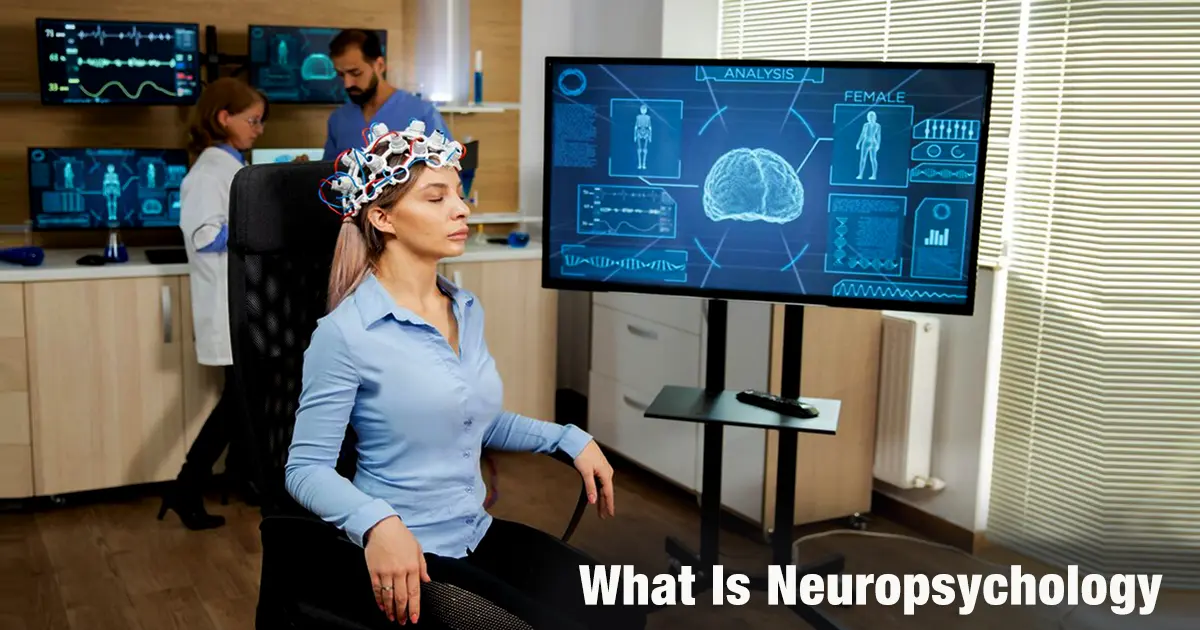
What is Neuropsychology?
To understand what is neuropsychology, one must view it as the clinical bridge between the physical brain and observable human behaviour. Neuropsychology is a specialised branch of psychology focused on the intricate relationship between neurological health and human behaviour. While traditional psychologists often examine emotional or social patterns, neuropsychologists focus on the brain's physical architecture. This discipline investigates how specific neurological systems and structures influence cognitive and motor functions. By analysing the correlation between the brain and the mind, professionals can accurately diagnose conditions that alter cognitive processing, memory retention, and behavioural responses.
The History of Neuropsychology
The history of neuropsychology spans millennia, beginning with early Egyptian and Greek observations of how head injuries alter physical and cognitive function. The field gained scientific rigour in the 19th century through pioneers like Paul Broca, who identified the specific brain region responsible for speech production.
The discipline advanced significantly during the World Wars, as the influx of traumatic brain injuries necessitated the development of high-precision clinical assessments. While modern neurologists utilise MRI and PET scans for structural imaging, neuropsychologists rely on standardised behavioural testing to evaluate cognitive performance. Today, the field investigates how distinct brain regions and distributed neural networks interact to govern complex human functions, providing data-driven insights into neurological health.
How Does Neuropsychology Works
The operational principle of neuropsychology is grounded in the understanding that all human behaviour originates within neurological structures. When these neural circuits are compromised by a stroke, traumatic injury, or neurodegenerative diseases such as Alzheimer’s, the resulting cognitive and behavioural changes can be evaluated through systematic assessment. To evaluate the extent of this impact, neuropsychologists employ standardised clinical instruments rather than traditional academic examinations.
While medical diagnostics such as blood tests or neuroimaging provide biological and structural data, neuropsychological evaluations focus on functional outcomes. Patients engage in a battery of cognitive tasks designed to measure memory, attentional control, linguistic ability, and executive function. By comparing these individual results against normative data, specialists can infer which neurological systems are exhibiting deficits. This data-driven approach allows clinicians to predict how a neurological condition will influence an individual's functional independence and daily activities.
Tools and Techniques in Neuropsychology
The evaluation of brain function relies on a sophisticated toolkit designed to quantify cognitive processes. Unlike structural imaging, these methods measure "live" functional data:
- Standardised Psychometric Batteries: Comprehensive sets of tasks like the Wechsler Adult Intelligence Scale (WAIS) or the Halstead-Reitan Battery that measure broad cognitive ability.
- Memory and Attention Assessments: Specific tests (e.g., Rey-Osterrieth Complex Figure) used to evaluate spatial memory and encoding capabilities.
- Executive Function Mapping: Tools such as the Wisconsin Card Sorting Test that assess a patient’s ability to plan, abstract, and shift mental sets.
- Computerised Cognitive Testing: Modern software that tracks reaction times and processing speeds with millisecond precision to detect subtle neurological changes.
Clinical and Practical Uses
The various uses of neuropsychology extend from diagnosing neurodegenerative diseases to developing recovery plans for traumatic brain injuries. In medical environments, these assessments contribute to the early detection of neurodegenerative conditions such as Alzheimer’s or Parkinson’s. When integrated with a multi-disciplinary evaluation, neuropsychological data provide a granular view of cognitive decline that may not be apparent during a standard physical examination.
This discipline is also vital for structured rehabilitation. When individuals are recovering from traumatic brain injuries or strokes, clinicians utilise these assessments to design targeted neuroplasticity-based rehabilitation programmes. These strategies focus on restoring functional pathways or teaching adaptive techniques for daily tasks. Furthermore, within educational frameworks, neuropsychological insights assist in the identification of learning differences such as ADHD or dyslexia. By participating in a comprehensive multi-disciplinary assessment, these specialists ensure that students receive the specific cognitive and behavioural support required for academic success.
Scope of Neuropsychology
The scope of this discipline extends far beyond hospital wards, influencing several modern sectors:
- Geriatric Neuropsychology: Addressing the cognitive challenges of an ageing population, specifically in differentiating normal ageing from early-stage dementia.
- Pediatric Neuropsychology: Evaluating neurodevelopmental disorders to help children navigate learning disabilities and social integration.
- Forensic Neuropsychology: Providing expert testimony in legal cases where brain injury may have influenced criminal behaviour or civil competency.
- Sports Neuropsychology: Managing concussion protocols and recovery timelines for athletes at all levels of competition.
Growing Demand for Neuropsychologists
The demand for clinical neuropsychologists is increasing significantly as modern healthcare systems evolve to address complex neurological needs. With a growing emphasis on specialised diagnostics, medical institutions increasingly require experts capable of bridging the gap between behavioural psychology and clinical neuroscience. This shift is reflected in the rising availability of advanced academic programmes designed to provide the rigorous training necessary for this interdisciplinary field.
A professional career in this discipline begins with a Bachelor’s degree in Psychology, which provides the foundational understanding of human behaviour. However, clinical practice requires a postgraduate specialisation to gain essential expertise in neuroanatomy and diagnostic assessments. For those seeking to advance in this sector, the M.Sc. Neuropsychology programme at JAIN (Deemed-to-be University) offers a comprehensive curriculum focused on the clinical skills required for careers in hospital settings and research laboratories.
Skills Required for a Career in Neuropsychology
Success in this demanding field requires a unique blend of technical proficiency and soft skills:
- Analytical Precision: The ability to interpret complex data sets and identify patterns that indicate specific neurological deficits.
- Clinical Empathy: Maintaining a supportive environment for patients who may be frustrated by cognitive limitations or memory loss.
- Research Literacy: Staying updated on rapidly evolving neuroscientific literature and emerging diagnostic technologies.
- Interdisciplinary Collaboration: Communicating effectively with neurologists, speech therapists, and occupational therapists to provide holistic patient care.
Why Choose a Career in Neuropsychology?
The field of neuropsychology attracts individuals with a profound interest in scientific inquiry and a commitment to improving the lives of others. Professionals in this discipline engage with the complex neurological structures that govern human existence, transitioning between clinical research and direct patient care. Whether investigating the mechanisms of consciousness or assisting a child in overcoming cognitive challenges, the role offers a rewarding path for those who are analytical, curious, and empathetic.
The global demand for specialised neurological care is increasing, driven by an ageing population and a growing emphasis on long-term cognitive health. This professional trajectory typically begins with a Bachelor’s degree in Psychology, followed by advanced postgraduate specialisation. Prospective students seeking to enter this field can explore the M.Sc. Neuropsychology programme at JAIN (Deemed-to-be University) to gain the clinical and research expertise required for a career in the psychological sciences.
Conclusion
The human brain remains one of the most complex frontiers in modern science, and neuropsychology provides the essential framework for its exploration. By integrating systematic clinical observation with advanced technological diagnostics, this field is fundamentally transforming the treatment of neurological conditions.
For those fascinated by the intricate workings of the mind, the current landscape offers unprecedented opportunities for professional growth and scientific contribution. Transitioning this interest into a career in the psychological sciences begins with a rigorous academic foundation.
Prospective students can take the next step in their professional journey by exploring the M.Sc. Neuropsychology programme at JAIN (Deemed-to-be University). Gain the clinical expertise and research skills required to lead in the evolving field of brain science.
Frequently Asked Questions (FAQs)
Q1. What do you mean by neuropsychology?
A1. It is a field that studies the relationship between the physical brain and how we think or behave. It is essentially the bridge between neurology (medicine) and psychology (behaviour).
Q2. What do neuropsychologists do?
A2. They administer assessments to find cognitive problems, design rehab plans for brain injuries, and work with medical teams to treat brain-based illnesses. They also research how the brain functions.
Q3. How long does it take to become a neuropsychologist?
A3. In India, plan for about 8–10+ years, including PhD/MPh. You’ll need a three-year Bachelor’s in psychology, followed by a two-year Master’s in Neuropsychology. Most clinical roles also require an M.Phil or a PhD.
Q4. Can I become a psychologist without an MBBS?
A4. Yes. You don't need a medical degree to be a psychologist. Psychiatrists need an MBBS because they prescribe medicine, but psychologists take the BA/BSc and MA/MSc route.
Q5. Is neuropsychology a good career in India?
A5. Yes, it is a very promising path. With more focus on mental health, elderly care, and advanced rehabilitation, neuropsychologists are finding plenty of roles in private hospitals and research centres.
Q6. What is the difference between a psychiatrist and a neuropsychiatrist?
A6. While both are medical doctors (MBBS), a psychiatrist focuses on general mental health and emotional disorders, whereas a neuropsychiatrist specialises in psychiatric symptoms that arise specifically from neurological conditions, such as brain injuries or epilepsy.
Q7. What is the difference between a neurologist and a psychologist?
A7. A neurologist is a medical doctor who treats physical diseases of the nervous system (like tremors or seizures) using medicine or surgery, while a psychologist focuses on the mental, emotional, and behavioural aspects of health through therapy and cognitive assessment.