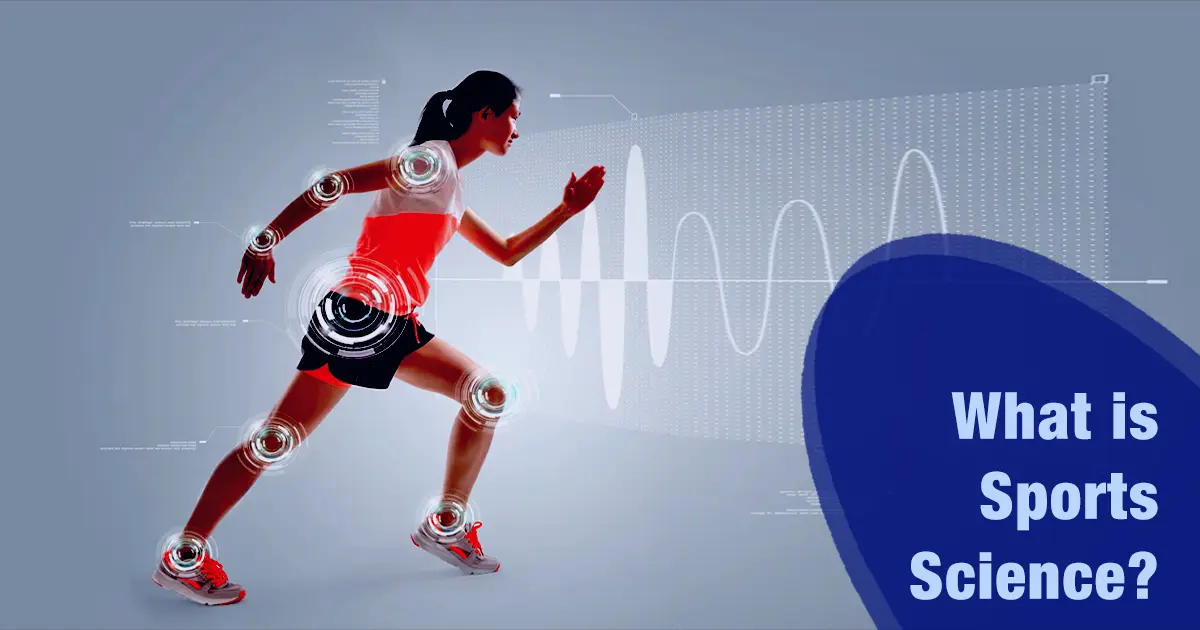
The Science Behind the Score: An Introduction to Sports Science
Ever wondered how elite athletes smash world records or recover from injuries in record time? It’s more than talent or intense training; a precise, data-driven discipline works behind the scenes to optimize every movement. If you're passionate about human biology and performance, you may be wondering what is Sports Science and how it shapes the modern athletic landscape?
This multidisciplinary field applies scientific principles to understand and improve human performance. By integrating physiology, psychology, and biomechanics, it ensures athletes reach their peak while minimizing injury risks. In an era where milliseconds decide gold medals, the importance of Sports Science has never been more evident.
The Core Types of Sports Science
To understand the field accurately, one must consider the various types of Sports Science involved in athletic training. This multidisciplinary domain consists of several distinct branches that collaborate to optimize results.
The primary types of Sports Science include:
- Biomechanics: This discipline merges mechanics with human anatomy. By applying physical principles, scientists recommend specific techniques to enhance performance efficiency.
- Exercise Physiology: This branch focuses on how exercise impacts the human body. It involves studying various bodily systems to understand their physiological responses to physical stress.
- Sports Psychology: This field manages an athlete’s mental and emotional well-being, ensuring they remain focused and resilient under pressure.
- Sports Nutrition: This specialty focuses on fueling the body correctly, ensuring that dietary intake supports both peak performance and rapid recovery.
Real-World Applications of Sport Science
Applications of Sports Science are evident in professional training centers worldwide, revolutionizing how athletes train and compete. One primary example is performance analysis; by utilizing wearable technology, coaches can monitor heart rate, distance, and speed in real-time. This data allows for the creation of customized training programs that maximize efficiency without the risk of overtraining.
Injury prevention and rehabilitation represent another critical area where applications of Sports Science play a vital role. Medical teams use these principles to detect muscle imbalances or biomechanical issues that might predispose an athlete to injury. When injuries do occur, science-based protocols ensure effective treatment, helping players return to peak form. These advancements are a major reason why modern athletes enjoy significantly longer careers than those of previous generations.
Why the Field Matters
The importance of Sports Science extends far beyond professional accolades. While the discipline certainly helps secure championships, its impact reaches the general population by improving public health. By applying elite training methods to everyday fitness, researchers have developed more effective management strategies for chronic conditions such as obesity and diabetes.
In today's competitive athletic landscape, the scope of Sports Science is expanding rapidly. As technology advances, the ability to analyze human performance becomes increasingly sophisticated. Consequently, this discipline is no longer an optional luxury, but a fundamental necessity for any modern sports organization.
The Modern Scope
To better understand how this field has evolved, it is helpful to look at the primary pillars that now define it:
- Physiology: Monitoring biomechanics and metabolic responses to optimize training loads.
- Psychology: Enhancing mental resilience and focus under high-pressure competitive environments.
- Data Analytics: Using wearable technology and AI to predict injury risks and improve tactical decision-making.
- Nutrition: Developing individualized fueling strategies to accelerate recovery and performance.
Pursuing a Career in the Field
If you are interested in this field, career opportunities in Sport Science are both plentiful and fulfilling. You could find yourself analyzing performance for a professional football club or conditioning athletes for an Olympic team. Others choose to work in a clinical environment, helping patients regain physical function after surgery.
Furthermore, career opportunities in Sport Science encompass research positions, sports management, and the development of fitness technology products. Due to the diversity of the field, professionals can easily find a specialty that aligns with their specific scientific interests.
How to Become a Sports Scientist
Transitioning from a passion for athletics to a professional career requires a structured academic approach. Aspiring professionals must follow a specific pathway regarding how to become a Sports Scientist, beginning with a strong foundation in science during higher secondary education.
Earning a Bachelor’s degree in Sports and Exercise Science is a critical next step to gaining the necessary theoretical and practical expertise. Additionally, obtaining specialized certifications from recognized sports authorities can significantly enhance a candidate's credentials and industry readiness.
The Future and Scope of Sports Science
The scope of Sports Science in India and abroad is currently experiencing an unprecedented surge. A growing trend toward professional leagues and increased fitness consciousness has created a significant demand for trained professionals. Various educational institutions have responded to this demand by offering specialized degree programs in this field.
JAIN (Deemed-to-be University) offers a comprehensive B.Sc. in Sports and Exercise Sciences designed to bridge the gap between academic theory and field application. By joining a program that prioritizes innovation and practical training, you can position yourself at the forefront of this exciting industry.
FAQs
Q1. What do you mean by Sports Science?
A1. Sports Science is a discipline that applies scientific principles, including physiology, psychology, and biomechanics, to study and improve human athletic performance and health.
Q2. Why is Sports Science important?
A2. It is vital because it helps athletes reach their peak potential, prevents injuries, and provides data-driven insights that can improve general public health and fitness.
Q3. What do Sports Scientists do?
A3. Sports scientists analyze athletic performance, design training and recovery programs, and conduct research to optimize the way the human body responds to physical activity.
Q4. What is the highest-paying Sports Science job?
A4. Salaries vary by region, but senior roles like Sports Medicine Physicians, Performance Directors, and Biomechanists for professional franchises typically command the highest compensation.