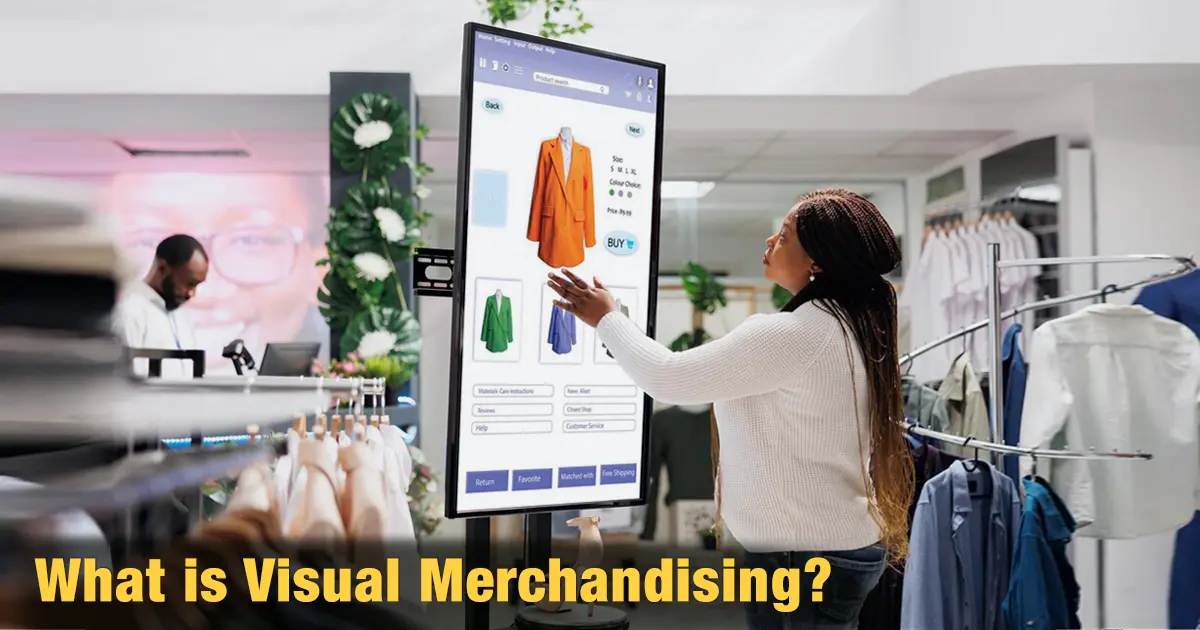
Visual merchandising is the process of presenting products in a unique way so that the store looks more inviting and easier to shop. The main objective of this practice is to attract attention and improve the customer shopping experience.
If you are considering a career in retail, it’s important to know about visual merchandising. It plays a vital role in guiding customers through the store and presenting products in a visually appealing and organized manner. Product presentation significantly influences purchasing decisions and how customers interact with various items.
The sections below explain core presentation methods, business advantages, and practical display rules. Learning these key principles helps individuals see how the process improves the overall shopper journey. This detailed guide also explains how smart product styling supports overall retail performance.
What is Visual Merchandising?
In simple terms, the process can be defined as the art and science of displaying products to attract buyers. It focuses on various elements like floor layouts, color schemes, and lighting designs. The goal is to improve customer engagement and increase sales.
The table below outlines the core aspects of this practice.
| Aspect |
Details |
| Core Function |
Designing attractive product arrangements inside a retail store. |
| Main Objective |
To capture shopper interest and encourage buying decisions. |
| Key Elements |
Storefront displays, window arrangements, shelf styling, and price tags. |
| Target Audience |
Retail managers, fashion professionals, marketers, and business owners. |
A professional visual merchandiser coordinates these physical layouts to increase store foot traffic. They study customer behavior patterns to decide where high-demand or high-margin products belong. This work directly strengthens the retailer's brand identity and helps optimize modern retail management strategies.
Types of Visual Merchandising
Stores apply different presentation formats depending on their space constraints and target audiences. Selecting the correct layout ensures a smoother shopping path.
The main types of visual merchandising used across modern commercial spaces include:
| Type |
Primary Focus Area |
Key Retail Application |
| Window Displays |
External storefront glass areas. |
Attracting passing foot traffic into the shop. |
| Store Layouts |
Grid, loop, or free-flow floor paths. |
Guiding shoppers through specific product aisles. |
| Mannequin Styling |
Three-dimensional clothing models. |
Demonstrating fit, fashion trends, and product pairings. |
| Signage & Graphics |
Banners, digital screens, and price labels. |
Sharing discounts, section names, and product details. |
| Poin of Sale (POS) Displays |
Cash counter display stands. |
Driving low-cost impulse sales during checkout. |
Each unique format serves a specific functional purpose on the retail floor. Combining these techniques keeps a retail space organized and lively.
Benefits of Visual Merchandising
Using smart product arrangements assists a retail store in multiple ways. When merchandise is presented in an attractive and unique way, shoppers can quickly identify new arrivals, seasonal collections, and promotions. A good display method reduces customer confusion and improves product discoverability. Visual merchandising has a lot of advantages, ranging from helping to display seasonal collections to having an attractive look for the store. Using effective presentation rules supports daily sales performance and keeps customers satisfied over time.
| Business Objective |
Direct Advantage Obtained |
Long-term Value |
| Increase Foot Traffic |
Interesting window displays attract more visitors. |
Higher daily customer counts. |
| Brand Identity |
Consistent colors and displays strengthen brand recognition. |
Improved customer loyalty. |
| Space Efficiency |
Well-organized shelves make better use of available space. |
A cleaner and more organized shopping environment. |
| Higher Profitability |
Strategic product placement can increase sales. |
Faster inventory turnover. |
The concept of visual merchandising is not limited to the attractive display of products. It includes various other important aspects too. Floor aisles can be organized in a logical way so that visitors find what they need with very little effort. A neat and well-organized layout also makes daily store management simple. All these small choices make the store more manageable, organized, and attractive, positively influencing sales.
Important Merchandising Tips at a Glance
Retail styling works best when you make minor changes regularly to your floor setups. Keeping product arrangements fresh and creating a clean store layout helps shoppers feel comfortable. The approach naturally encourages customers to stay inside the shop for longer periods. The ideas below are quite helpful in product presentation and creating a better shopper journey for the customers.
- Refresh displays regularly with new creative concepts.
- Place attractive products where customers are most likely to notice them.
- Arrange items according to specific categories based on purpose or colors to allow for easy browsing.
- Use the entrance to showcase the newly launched products.
- Attract customer attention by using suitable lighting for various products.
- Keep different signs in the store short, clear, and professionally designed.
- Refresh display locations often.
- Review sales data and identify products that need to be placed in a better spot.
- Ensure that every displayed product has a clearly visible price tag.
- Add subtle movement to the displays to draw the attention of customers.
Skills for Visual Merchandisers
Succeeding in this competitive retail sector requires a specific mix of creative and commercial abilities. Aspiring professionals must develop these essential floor skills to build a stable corporate career:
- Visual Balance: Understanding color coordination, geometric shapes, and lighting placement to create attractive window displays.
- Spatial Awareness: Designing clean store layout paths that guide customer movement without creating floor congestion.
- Trend Analysis: Researching current market fashion movements to predict upcoming seasonal consumer purchasing habits accurately.
- Commercial Thinking: Connecting aesthetic artistic layouts directly with store product performance metrics to increase sales revenue.
Conclusion
Visual merchandising involves much more than placing inventory items neatly on display shelves. Setting up the right floor displays improves the customer journey while meeting daily business performance goals smoothly.
For retail professionals, marketers, and business aspirants planning careers in modern marketing or fashion retail, mastering these principles is essential. Developing practical industry skills and building strong industry connections are the most reliable ways to prepare for these corporate career opportunities.
To build this solid foundation, JAIN (Deemed-to-be University) provides practical, market-aligned undergraduate management programs that help you master all important concepts of the field, including visual merchandising. Check out the program details today by visiting the official portal of the University.
FAQs
Q1: What is visual merchandising in retail?
A1: This practice involves designing and organizing product displays inside retail stores. It combines colors, floor layouts, lighting, and signage to make goods look appealing to passing shoppers.
Q2: Why is visual merchandising important?
A2: It is important because it draws customers inside and improves their shopping experience. Clean arrangements guide buyers easily through aisles, reinforce brand identity, and make spaces look professional.
Q3: How does visual merchandising increase sales?
A3: It increases sales by placing high-value products in prominent, eye-level positions. Attractive setups trigger impulse purchases at checkout lanes and encourage shoppers to buy complementary items together.
Q4: How often should visual merchandising be updated?
A4: The frequency of updates depends heavily on the industry, promotional schedules, seasonality, and the type of store. However, many retailers typically refresh their main displays every two to four weeks. Updating setups to highlight new arrivals or seasonal themes ensures the store consistently looks fresh and engaging for repeat shoppers.
Q5: What does a visual merchandiser do?
A5: A visual merchandiser designs floor plans, styles mannequins, creates window displays, and organizes product shelves. They monitor customer movement habits to ensure all retail arrangements look neat and drive sales.