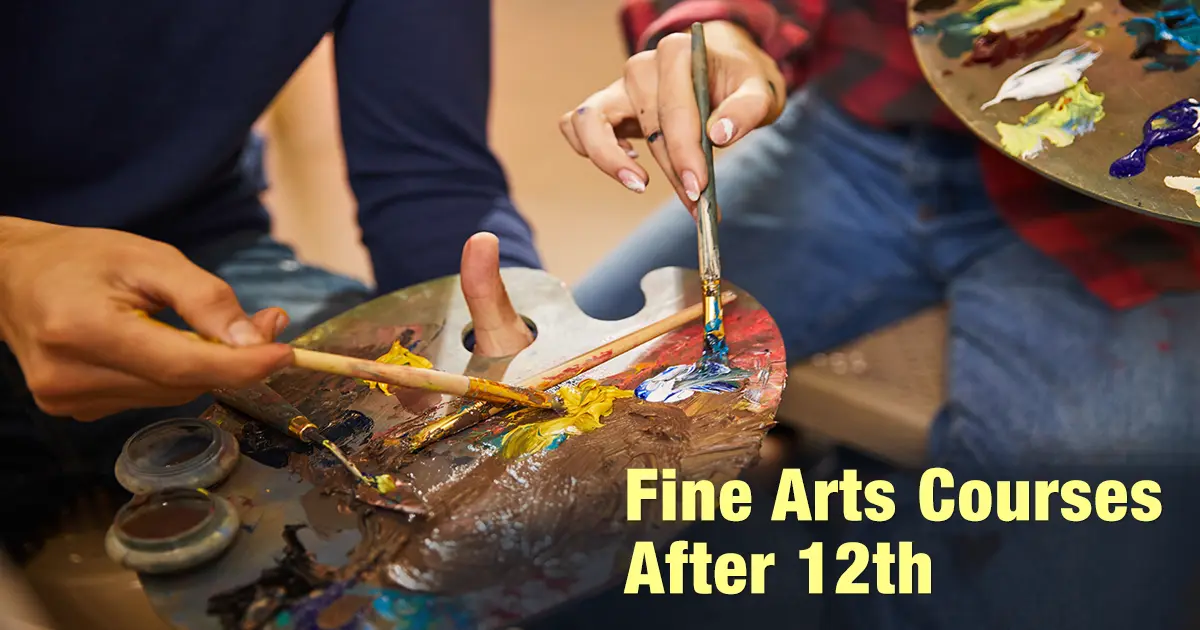
Fine arts education after school has become a structured academic path for students interested in visual expression, design thinking, and creative communication. Unlike informal learning, formal programs provide a disciplined approach to artistic development, combining practice, theory, and portfolio building.
Students who pursue creative fields often explore multiple academic directions before finalizing their specialization. In this context, understanding course structure, eligibility, and outcomes becomes important for making informed decisions.
Overview of Fine Arts as an Academic Discipline
Fine Arts courses after 12th include undergraduate and diploma programs in areas such as painting, sculpture, applied arts, illustration, and visual communication. These programs help students refine their creative abilities while building a strong foundation in artistic concepts. The curriculum typically covers drawing, composition, color theory, digital art fundamentals, and art history, providing students with both practical and theoretical exposure to the visual arts.
Key Learning Areas
| Area |
What Students Learn |
Career Relevance |
| Drawing & Sketching |
Observation techniques, line work, shading, perspective, and visual composition |
Forms the foundation for careers in illustration, concept art, animation, and fine arts practice |
| Painting |
Watercolour, acrylic, oil painting, colour application, and creative expression |
Supports opportunities in professional art practice, gallery work, commissioned projects, and art education |
| Sculpture |
Three-dimensional design, material exploration, modelling, and spatial understanding |
Develops skills applicable to sculpture, installation art, exhibition design, and public art projects |
| Digital Art |
Digital illustration, graphic design fundamentals, creative software tools, and visual storytelling |
Prepares students for careers in digital media, advertising, animation, game design, and content creation |
| Art History |
Indian and global art movements, cultural influences, and critical analysis of artworks |
Strengthens conceptual understanding and supports careers in curation, research, art criticism, and museum studies |
The curriculum typically combines traditional artistic practices with contemporary digital techniques, enabling students to build versatile portfolios that align with both creative and industry-oriented career pathways.
Fine Arts courses after 12th are designed to balance technical skills and creative exploration, allowing students to develop individual artistic styles.
Eligibility Criteria for Fine Arts Courses After 12th
The admission process for Fine Arts programs is generally accessible to students from all academic streams, including Science, Commerce, and Humanities. While specific requirements vary across institutions, the eligibility criteria for Fine Arts courses after 12th commonly include the following:
- Completion of 10+2 or an equivalent qualification from a recognized board
- Minimum aggregate marks as prescribed by the institution
- Portfolio submission showcasing artistic skills, creative projects, sketches, or visual work (required by some institutions)
- Entrance examination or aptitude test to assess drawing ability, observation skills, and creative thinking (applicable at certain universities and colleges)
- Personal interview or portfolio review in select admission processes
Unlike many professional programs that prioritize academic specialization, Fine Arts admissions often place significant emphasis on creative potential, artistic expression, and portfolio quality. A well-prepared portfolio can play an important role in demonstrating technical skills, originality, and commitment to the discipline.
Essential Skills Required for Creative Learning
Students interested in pursuing Fine Arts benefit from developing a combination of artistic, analytical, and technical abilities. The skills required for Fine Arts courses after 12th often extend beyond drawing proficiency and include competencies that support both traditional and contemporary creative practices.
Key skills include:
- Strong observation and visual interpretation abilities
- Understanding of composition, colour relationships, and design principles
- Creative problem-solving and conceptual thinking
- Hand-eye coordination and attention to detail
- Patience, discipline, and a willingness to refine work through practice
- Visual storytelling and the ability to communicate ideas through art
- Adaptability across different artistic mediums and techniques
- Basic familiarity with digital creative tools such as Adobe Creative Cloud, Procreate, or other illustration and design software
Developing these skills enables students to work confidently across painting, illustration, sculpture, digital art, visual communication, and other emerging creative fields while building a portfolio that reflects both technical proficiency and original artistic expression.
Overview of Drawing Courses After 12th
Drawing courses after 12th help students develop the technical and observational skills that form the basis of many visual arts disciplines. These programs typically include sketching, life drawing, technical drawing, illustration, perspective studies, and visual composition.
Through structured training, students learn to represent form, proportion, depth, texture, and movement with accuracy and clarity. Many drawing courses after 12th also encourage experimentation with different mediums and techniques, enabling students to strengthen their visual communication skills while preparing for careers in illustration, animation, graphic design, concept art, and applied arts.
Duration of Fine Arts Courses After 12th
The academic duration of fine arts programs depends on the level of study.
Most undergraduate programs follow a structured timeline:
| Program Type |
Duration |
Typical Learning Outcome |
| Diploma in Fine Arts |
1–2 years |
Focuses on practical artistic skills and foundational training in areas such as drawing, painting, and visual composition. Suitable for students seeking early entry into creative fields or skill enhancement. |
| Bachelor of Fine Arts (BFA) |
3–4 years |
Provides comprehensive education in studio practice, art theory, art history, and specialization areas. Supports long-term career development and eligibility for higher studies in fine arts and related disciplines. |
| Advanced Certification Programs |
6–12 months |
Offers focused training in specific areas such as digital illustration, graphic design, visual communication, or contemporary art techniques for skill development and portfolio building. |
The Fine Arts courses after 12th duration are generally three years for undergraduate programs, with additional specialization options available in later semesters.
Career Scope of Fine Arts in Contemporary Industries
The creative sector has evolved rapidly with the growth of digital media, interactive technologies, entertainment platforms, and content-driven businesses. As a result, the Fine Arts courses after 12th scope now extends beyond traditional artistic careers into a wide range of creative and technology-enabled industries.
Career opportunities include:
- Illustration and concept art
- Advertising, branding, and visual communication
- Animation and multimedia production
- UI/UX design
- Game art and gaming industry roles
- Digital content creation and creative entrepreneurship
- Art education and academic careers
- Gallery management, curation, and exhibition design
The Fine Arts courses after 12th scope continues to expand as organizations increasingly rely on visual storytelling, digital experiences, and creative content to engage audiences. Graduates can pursue opportunities in animation studios, design agencies, gaming companies, media organizations, cultural institutions, independent creative practice, and emerging digital platforms.
Salary Trends in Fine Arts Careers
Earning potential in the arts is often influenced by a combination of technical expertise, portfolio quality, specialization, industry demand, and professional experience. The Fine Arts courses after 12th salary can vary significantly depending on whether graduates pursue corporate employment, studio-based roles, independent practice, or freelance projects.
Entry-level positions in areas such as graphic design, illustration, animation, and visual communication typically offer structured salaries, while creative professionals working on a freelance basis may earn according to project volume, client base, and market reputation. As artists develop specialized skills, build stronger portfolios, and gain industry experience, the Fine Arts courses after 12th salary potential generally increases across sectors such as advertising, gaming, digital media, UI/UX design, and content creation.
Salary Overview Table
| Specialization / Role |
Career Stage |
Approximate Salary Range |
| Graphic Designer, Junior Illustrator, Visual Designer |
Entry Level (0–2 years) |
₹2.5 – ₹4 LPA |
| Animator, UI/UX Designer, Concept Artist, Multimedia Designer |
Early to Mid-Level (2–5 years) |
₹4 – ₹7 LPA |
| Senior Designer, Art Director, Creative Lead, Senior Animator |
Experienced (5+ years) |
₹7 – ₹12+ LPA |
| Specialized Professionals in Gaming, Digital Media, Branding, and Creative Technology |
Advanced / Leadership Roles |
₹12 LPA and above (depending on expertise and organization) |
| Freelance Artists, Illustrators, and Independent Creators |
Varies by portfolio strength, client network, and project volume |
Income can range significantly based on assignments and market demand |
Note: Salary figures are indicative and may vary based on location, specialization, employer, industry segment, and individual portfolio quality. Fields such as UI/UX design, gaming, animation, and digital media often offer higher earning potential for professionals with specialized skills and industry experience.
The Fine Arts courses after 12th salary improve significantly in industries such as advertising, animation, and digital media, where demand for skilled artists is higher.
Fine Arts Education at JAIN (Deemed-to-be University)
JAIN (Deemed-to-be University) offers programs in visual and applied arts that combine artistic practice with contemporary creative approaches. Students engage with areas such as drawing, painting, design, visual communication, and digital media while developing both technical and conceptual skills.
The learning experience includes studio-based work, project development, critical discussions, and exposure to diverse artistic perspectives. Through a combination of practical training and creative exploration, students have opportunities to build portfolios and gain experience relevant to evolving careers in the creative industries.
Teaching Methodology and Learning Environment
Fine arts education combines technical training with creative experimentation, allowing students to refine their artistic abilities while developing an individual visual language. As students progress, they engage with a variety of mediums, techniques, and creative processes that support both artistic growth and portfolio development.
Key learning components often include:
- Studio-based projects focused on drawing, painting, sculpture, and visual composition
- Critique sessions that help students analyse artwork, receive feedback, and strengthen creative decision-making
- Participation in exhibitions, workshops, and artist interactions that provide exposure to professional artistic practices
- Training in digital tools and creative software used in illustration, design, and contemporary visual arts
- Portfolio development activities that showcase technical skills, conceptual thinking, and artistic progression
Together, these experiences help students build practical expertise, creative confidence, and a body of work that can support further study or entry into creative professions.
Career Pathways in Fine Arts
Fine Arts graduates can pursue diverse career paths across traditional art disciplines, digital media, design, and emerging creative industries. Career opportunities often depend on an individual's specialization, technical expertise, portfolio quality, and creative interests.
Common career options include:
- Visual Artist and Professional Illustrator
- Graphic Designer and Brand Designer
- Digital Illustrator and Concept Artist
- Animator and Motion Graphics Designer
- UI/UX Designer
- Game Artist and Environment Designer
- Multimedia and Visual Communication Specialist
- Art Curator, Exhibition Coordinator, or Gallery Professional
- Art Educator and Academic Instructor
- Creative Content Creator and Independent Creative Professional
As the demand for digital experiences, visual storytelling, and interactive content continues to grow, professionals with strong artistic and technical skills can find opportunities across design studios, advertising agencies, animation companies, gaming organizations, media platforms, educational institutions, and independent creative practice.
Challenges in Pursuing Fine Arts Education
While a career in the arts offers creative opportunities and diverse professional pathways, it also comes with practical challenges that students should understand before entering the field. Success often depends not only on artistic ability but also on adaptability, business awareness, and continuous skill development.
Common challenges include:
- Building a competitive portfolio that remains relevant to changing industry trends
- Establishing a stable client base or professional network in the early stages of a career
- Managing irregular income patterns, particularly in freelance and independent creative roles
- Keeping pace with evolving design software, digital tools, and emerging technologies
- Balancing artistic vision with commercial requirements, project objectives, or client expectations
- Standing out in highly competitive fields such as animation, illustration, gaming, and digital design
Many creative professionals gradually overcome these challenges by developing specialized expertise, diversifying their skill sets, maintaining strong portfolios, and building long-term professional relationships within the industry.
Conclusion
Fine arts education enables students to develop artistic skills, creative thinking, and technical expertise across both traditional and digital mediums. With career opportunities spanning illustration, animation, design, gaming, visual communication, and contemporary art practices, the field continues to evolve alongside changing creative industries.
Universities such as JAIN (Deemed-to-be University) offer programs that combine practical studio experience, conceptual learning, and portfolio development to support students pursuing careers in the visual arts.
Students considering a future in fine arts should explore factors such as curriculum design, specialization options, industry exposure, faculty expertise, and portfolio-building opportunities when comparing programs. To learn more about available courses, admission requirements, and academic offerings, visit the official website of JAIN (Deemed-to-be University) and explore the programs aligned with your creative interests and long-term career goals.
FAQs
Q1. Which fine arts course is best after 12th?
A1. The Bachelor of Fine Arts (BFA) is widely regarded as one of the most comprehensive options after 12th because it combines practical studio training, art theory, creative development, and specialization opportunities in areas such as painting, sculpture, applied arts, and visual communication.
Q2. Do I need to be from the arts stream to pursue fine arts courses?
A2. No, students from Science, Commerce, and Humanities backgrounds can apply for most Fine Arts programs. Admissions are typically based on eligibility requirements, creative aptitude assessments, entrance tests (where applicable), and portfolio quality rather than a specific academic stream. A strong portfolio can be particularly valuable in demonstrating artistic skills and creative potential.
Q3. Can I earn well after completing a fine arts course?
A3. Career earnings in Fine Arts vary based on specialization, experience, portfolio strength, and industry sector. Entry-level salaries may be modest, but professionals working in high-demand fields such as UI/UX design, animation, gaming, digital illustration, branding, and visual communication often see greater earning potential as they develop expertise and industry experience.
Q4. What Will You Study in Fine Arts Courses?
A4. Students typically study subjects such as drawing, painting, sculpture, composition, art history, visual communication, digital illustration, and design fundamentals. Many programs also introduce contemporary creative tools and portfolio development to help students build both artistic and professional skills.