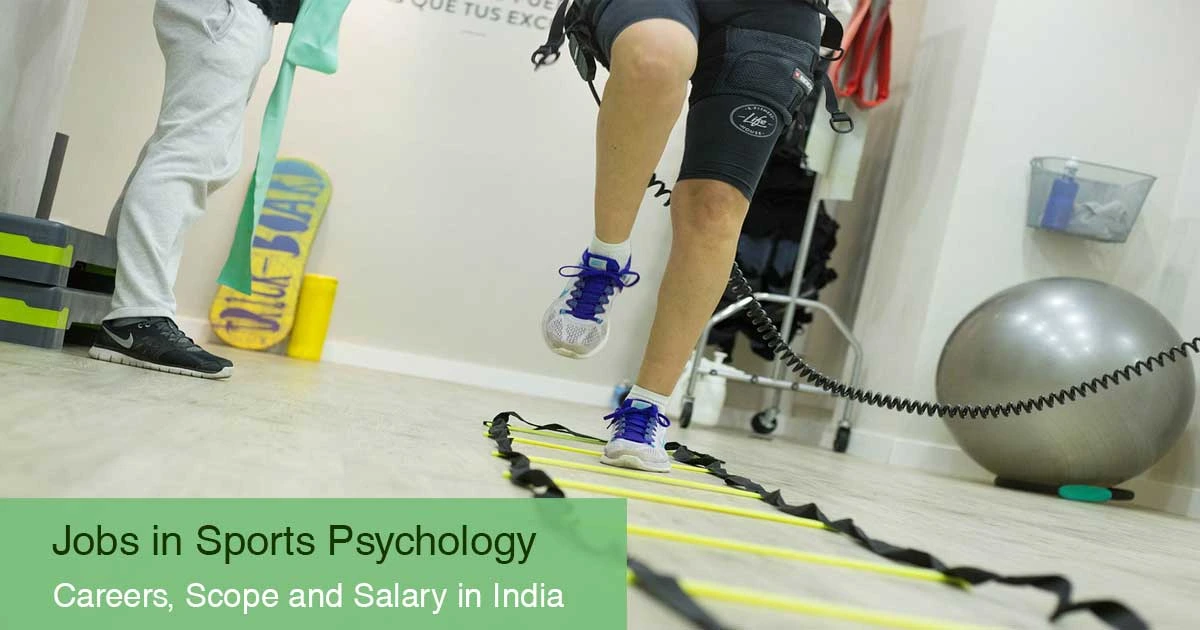
Many sports enthusiasts dream of playing in major leagues like the Indian Premier League or Indian Super League. Even if one does not play professionally, there are many exciting ways to turn a passion for sports into a meaningful career.
Pursuing a postgraduate (PG) diploma in Sports Psychology can help students understand the psychological aspects that impact athletic performance and prepare them to stay closely connected to the world of sports.
In India, Sports Psychologists work with amateur and professional athletes, helping them enhance performance and mental strength. They also support military personnel, police officers, and other professionals to achieve peak performance.
Their role often includes helping individuals overcome injuries, mental blocks, and emotional challenges through assessments, visualisation, and counselling techniques. The blog aims to offer more insights on the Sports Psychology jobs in India.
Careers in Sports Psychology
Several factors influence careers in sports psychology. These include the level of education, the type of clients, and the preferred work environment.
One of the common jobs in Sport Psychology is becoming a licensed Sports Psychologist. In this role, professionals help clients achieve their goals in the sports field. This could involve improving performance, building better relationships with teammates or coaches, or overcoming personal challenges.
A postgraduate (PG) diploma in Sports Psychology can also help students pursue careers in the military and armed forces. Graduates learn how psychological factors affect the physical performance of military personnel on the battlefield. They also study techniques to guide personnel to reduce anxiety, perform better, and support their teammates in critical situations.
With a PG Diploma degree, individuals can work in many roles supporting athletes. However, a Doctorate of Philosophy (Ph.D.) and official licensure are required to become a licensed Sports Psychologist.
Jobs in Sport Psychology in the Government Sector
Sports psychologists can work with sporting clubs at state, national, and international levels in the government sector. They can also find roles in schools, colleges, psychology clinics, government hospitals, and specialised centres.
Jobs in Sport Psychology in the public sector are also available with organisations like the Sports Authority of India, where they support athletes and performance artists.
While most work is done in offices and hospitals, part of the role involves working closely with state-sponsored athletes in training and competition environments.
Jobs in Sport Psychology in the Private Sector
Graduates in Sports Psychology have many career options in the private sector. They can work as Certified Mental Performance Consultants, helping athletes improve performance by identifying mental barriers and creating action plans.
Graduates can also find employment as Sports Consultants for professional teams, college athletics, and olympic staff. They can also become personal trainers, using Sports Psychology to help clients overcome mental and physical challenges. Many personal trainers who own gyms expand their services through Sports Psychology training.
Some individuals can also pursue careers as Performance Psychologists, applying mental strategies in corporate offices, entertainment, healthcare, and music industries to improve employees’ overall performance and well-being. Other roles include Athletic Development Coach, Research Assistant, Teaching Assistant, Profile Coach, Health Coach, and Mental Skills Coach at leading sports institutes.
Sports Psychology Salary in India
The salary for Sports Psychology graduates in India can depend on their expertise, experience, and employment settings. Corporate sectors or premier sports coaching institutes tend to pay more than other sectors.
The Sports Psychology salary in India can also depend on the location of the work area. Metropolitan cities and urban areas offer a higher salary compared to semi-urban or tier-2 cities. The table gives a breakdown of the salary structure for Sports Psychology graduates in India:
|
Experience Level
|
Estimated Salary Range (Lacs Per Annum)
|
|
Entry-Level Sports Psychologists (1–3 years)
|
3 – 6 LPA
|
|
Mid-Career Sports Psychologists (4–8 years)
|
8.4 – 12 LPA
|
|
Senior-Level Sports Psychologists (8+ years)
|
14.4 – 18 LPA
|
Final Thoughts
With roles available in both the government and private sectors and a diverse range of career paths, the scope for growth and impact in Sports Psychology is immense. From licensed sports psychologists to personal trainers and performance consultants, the field of sports psychology in India continues to expand, offering both personal fulfillment and professional success. As the demand for sports psychologists rises, individuals in this field are well-positioned to make a lasting difference in the world of athletic performance and mental well-being.
FAQs
Q1: What is the scope of Sports Psychology?
A1: The Sports Psychology scope extends to various sectors as athletes, coaching institutes, and corporate organisations recognise the importance of mental fitness. Professionals in this field work across sports teams, military, corporate sectors, and sports academies to enhance focus, resilience, and overall performance.
Q2: How to become a Sports Psychologist in India?
A2: To become a Sports Psychologist in India, individuals must obtain a Bachelor's degree in Psychology followed by a Postgraduate (PG) Diploma in Sports Psychology. They must also gain practical experience through internships and fieldwork, working with athletes, corporations, and sporting organisations.
Q3: How to choose a Sports Psychologist?
A3: To choose a Sports Psychologist, one must prioritise credentials, experience, and the psychologist's ability to connect with and understand the individual’s needs.