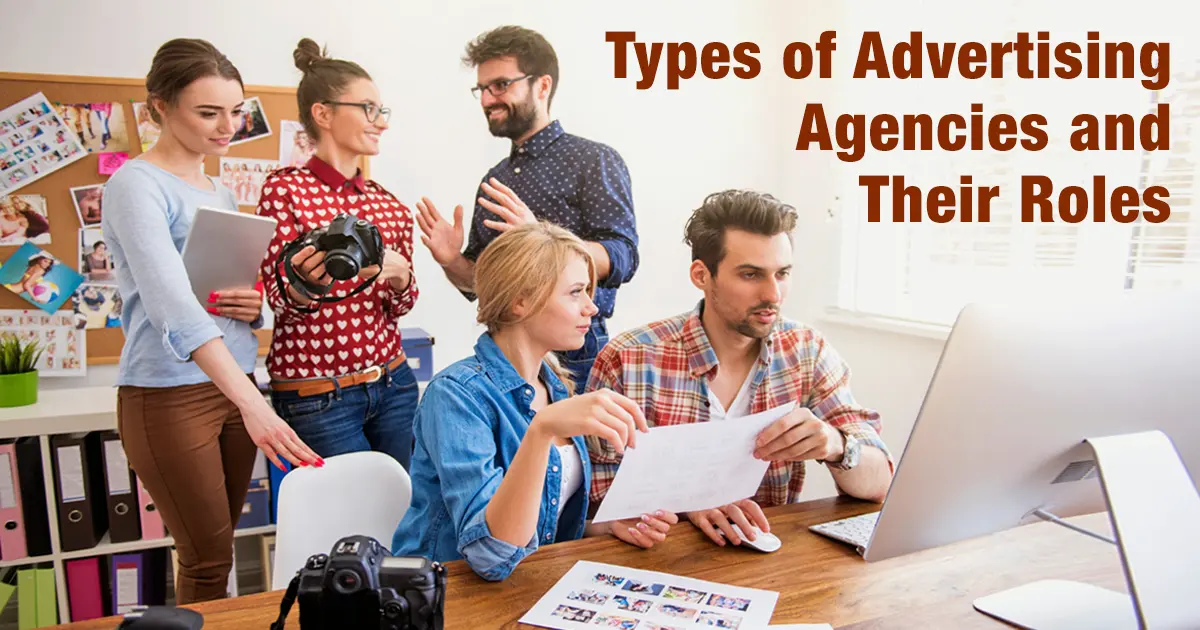
Every advertisement a person sees, whether on television during a match or in a social media feed, usually passes through the hands of an advertising agency before reaching an audience. While some brands hire these agencies to handle campaigns they cannot manage internally, many large companies partner with external firms specifically to leverage specialized expertise, even when robust in-house marketing teams are already in place. Over recent years, India's advertising industry has undergone a dramatic transformation, driven by rapid digital growth, the rise of influencer marketing, and a shift toward integrated marketing strategies that span multiple platforms seamlessly. For students weighing a career in marketing, understanding how these agencies differ from one another is essential groundwork.
What Exactly Does an Agency do
What is an advertising agency, in plain terms? It is a business hired by another company to design and run its advertising. The actual scope of work varies enormously depending on the agency specialization, which raises a related question many newcomers ask: what does an advertising agency do on an average day?
Rather than relying on a single task, these firms manage a comprehensive, multi-step workflow. The process typically begins with a client briefing, where the agency learns the project goals and expectations. Next, teams conduct in-depth market research to understand who the target audience is, what message will resonate, and where that message should appear. From there, the team moves into campaign planning to map out strategy, followed by creative development, where writers and designers craft the actual visuals and scripts. Media planning teams then negotiate and purchase the best channels for distribution. Once campaign execution goes live, the agency oversees performance analysis to track real-time results and evaluate total return on investment.
Because firms specialize in different parts of this pipeline, learning the different types of advertising agencies matters before signing a contract or choosing a career specialization.
Why the Distinctions Matter
A student drawn to copywriting will likely thrive at a creative shop rather than a media buying firm. Similarly, agency selection for a business depends heavily on budget, business stage, marketing goals, and specific campaign objectives. A startup with a tight budget may only need targeted help with social platforms, whereas an established company might require a full campaign overhaul. Knowing the different types of ad agencies upfront saves both students and businesses from a mismatch that wastes time and resources. Hiring a branding specialist to negotiate television airtime, for instance, leads to poor execution because media buying lies outside their core area of expertise.
Full Service and Creative Agencies
Full-service agencies handle the entire campaign life cycle under one roof: research, concept development, creative production, media buying, campaign strategy, account management, analytics, and brand consulting. Indian brands running large national campaigns often prefer this model because it streamlines operations by eliminating the need to coordinate multiple vendors. This model generally costs more, given the extensive scope involved.
Creative agencies focus on a specific phase of the marketing process. Their primary concentration centers on core concepts, including scripts, visual design, and overall brand messaging. Media placement is usually handled separately, often by an external partner or an internal team that maintains an established buying strategy but requires sharper creative work to execute the vision.
Digital and Social Media Agencies
Digital agencies operate across online platforms, managing search engine optimization, pay-per-click campaigns, content marketing, email marketing, marketing automation, web analytics, and conversion optimization across websites and apps. Given how much time Indian consumers now spend on mobile phones, this category has grown faster than most others over the last several years.
Social media agencies focus on specific interactive platforms. They manage content calendars, respond to audience comments, and coordinate with influencers on channels like Instagram and LinkedIn. Many small businesses in India skip traditional advertising altogether and rely on this type exclusively, since the entry cost is lower and results are easier to track.
Media Buying and Branding Agencies
Media buying agencies specialize in securing strategic ad placements, negotiating competitive rates across television, radio, print, and digital platforms. Beyond purchasing space, these agencies handle media planning, audience analysis, campaign optimization, and performance monitoring to maximize return on ad spend. They rarely produce the actual creative assets themselves.
Branding agencies focus on long-term strategy and identity, operating both before a company launches and throughout its evolution. Their scope includes brand strategy, brand architecture, logo design, naming, brand voice, and complete visual identity systems. While a new company typically hires a branding agency before launching a product line, established organizations also rely on them during repositioning, rebranding, mergers, and market expansions.
Public Relations Agencies
Public relations firms sometimes get grouped with advertising agencies, though their work leans toward media coverage, press releases, and reputation management rather than paid placements. Still, the two often collaborate closely on larger campaigns.
Comparing the Models at a Glance
Reviewing the types of agencies in advertising side by side makes the distinctions easier to compare.
| Agency Type |
Core Focus |
Handles Media Buying |
Best For |
| Full-Service |
Complete campaign management |
Yes |
Large brands needing all-in-one support |
| Creative |
Concepts and visual design |
No |
Brands with a media team needing creative work |
| Digital |
Online channels and web growth |
Sometimes |
Businesses building online sales and traffic |
| Social Media |
Social platforms and community |
Sometimes |
Brands targeting active social media audiences |
| Media Buying |
Purchasing ad space and rates |
Yes |
Brands with ready ads looking to maximize reach |
| Branding |
Identity and market positioning |
No |
New businesses or companies undergoing rebranding |
| Public Relations |
Earned press and reputation |
No |
Companies managing public image or crisis response |
| Boutique |
Specialized niche services |
Rarely |
Businesses seeking small-team expertise |
| Influencer Marketing |
Creator partnerships |
Sometimes |
Brands reaching customers through online creators |
| Event Marketing |
Live activations and shows |
No |
Companies hosting launches or trade events |
| Integrated Marketing |
Unified multi-channel strategy |
Yes |
Brands keeping consistent messaging across channels |
Choosing the Right fit
The type of advertising agency a business needs depends entirely on the problem it is trying to solve. Launching a product from scratch usually calls for a full-service partner. Conversely, a company with strong creative assets but a weak online presence might only need a digital specialist.
When evaluating potential partners, using a systematic selection checklist helps narrow down the choices:
- Budget: Align the firm's fee structure with available financial resources.
- Marketing goals: Clarify whether the focus is immediate lead generation or long-term brand awareness.
- Business size and industry: Choose a partner with proven experience in your specific sector and market scale.
- Required services: Identify whether you need niche specialized skills or a full suite of services.
- Previous experience: Review past client work, case studies, and measurable outcomes.
It is also worth noting that these categories blur more than they used to. Plenty of firms now offer a mix of services rather than fitting neatly into one bucket, which is part of what makes understanding the different types of advertising agency landscape genuinely worthwhile for any marketing strategist.
Career Paths to Consider
Exposure to various advertising agency types helps students identify which specialization to pursue during higher education and early career planning. Agencies offer distinct entry-level roles and clear trajectories across strategy, creative, digital, and media operations.
| Track |
Entry-Level Roles |
Mid-to-Senior Progression |
Primary Responsibilities |
| Account & Strategy |
Account Executive |
Brand Manager to Strategy Director |
Client communication, project management, and high-level campaign strategy |
| Creative & Design |
Copywriter, Junior Designer |
Art Director to Creative Director |
Concept generation, visual design, scriptwriting, and creative execution |
| Digital Marketing |
SEO Executive, PPC Specialist |
Campaign Manager to Digital Head |
Search optimization, paid search, campaign execution, and performance tracking |
| Media Operations |
Media Planner |
Media Buyer to Head of Media |
Audience targeting, channel selection, rate negotiation, and ad space purchasing |
Entry-level compensation varies depending on location, agency scale, and specialization. Students researching these career paths should monitor current listings on established job portals rather than relying on static financial figures that fluctuate over time.
Conclusion
No single agency type serves every purpose, and navigating the industry effectively relies on recognizing how these distinct models operate. Modern advertising continues to evolve rapidly, driven by the expansion of digital platforms, data analytics, and integrated campaign strategies. For businesses, selecting the right partner requires aligning agency strengths with specific operational goals, budgets, and market stages. For students preparing to enter the field, long-term success requires building a balance of both creative intuition and analytical skills.
For those looking to build a comprehensive foundation in this field, programs like the BBA in Branding and Advertising at JAIN (Deemed-to-be University) offer structured coursework covering these industry models, strategic workflows, and core marketing disciplines in greater detail.
FAQs
Q1. Why should one consider the different types of advertising agencies?
A1. Matching a business need to the right specialization, whether branding, media buying, or digital work, tends to produce better results than hiring a generalist for a specific problem. It also helps students figure out which career path suits their interests.
Q2. What services do full-service advertising agencies offer?
A2. Full-service agencies typically manage research, creative development, production, and media buying together, which removes the need to coordinate several separate vendors.
Q3. How do digital agencies improve online brand visibility?
A3. They rely on search engine optimization, targeted campaigns, and consistent content publishing to help a brand appear where its audience already spends time. Results are usually measured through clicks, engagement, and conversion data.
Q4. What's the difference between media buying and creative agencies?
A4. Media buying agencies purchase and place advertising space, while creative agencies develop the actual concepts, visuals, and messaging behind a campaign. The two frequently work together but rarely overlap in function.
Q5. How can I tell if an ad agency is a good fit for my company?
A5. Looking at past client work, asking for measurable results, and comparing pricing transparency usually reveals whether an agency's strengths match the actual need. A quick reference check with a former client also helps.