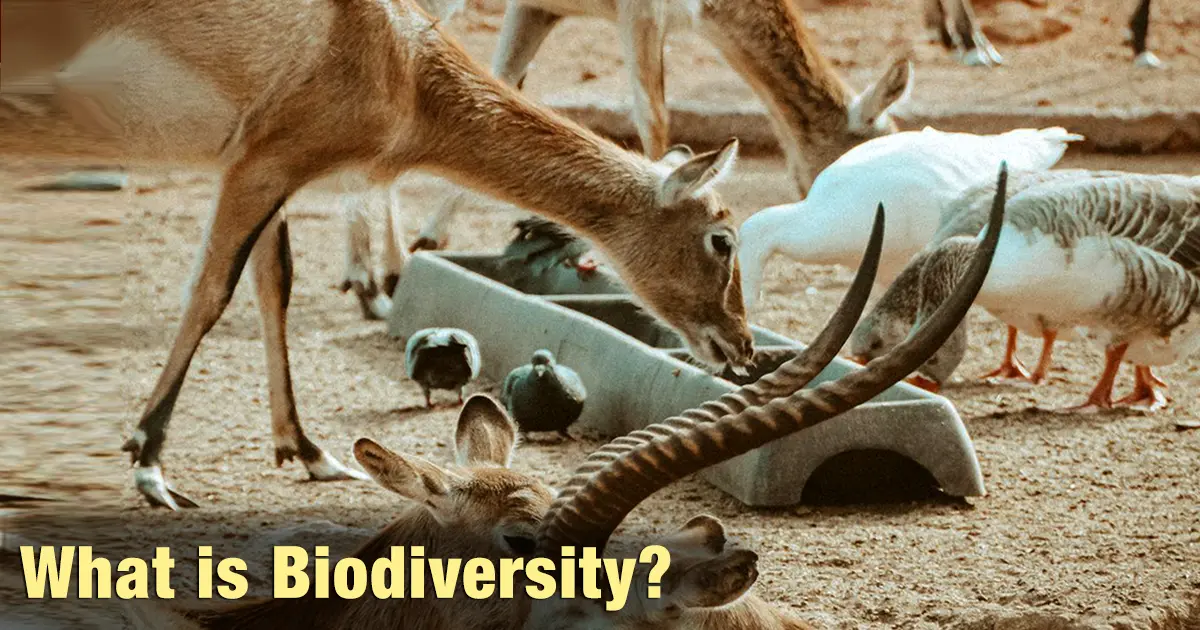
Life on Earth has developed into a complicated web for over 3.8 billion years where millions of species depend on each other and their environment for survival.
These species, including human beings, are all closely related to each other in terms of interaction and with the environment they rely on.
Biodiversity is not stagnant; it keeps on changing with time, as new species emerge and some species become extinct.
But what is biodiversity?
This blog will discuss this topic and its definition, types, and why biodiversity is important for ensuring ecological balance and sustaining life on our planet.
What is Biodiversity?
The term biodiversity was first introduced in 1985. To define biodiversity, it refers to the broad range of living things existing on Earth. It is also referred to as biological diversity, and it includes all forms of life, which may include microorganisms, plants, animals, and ecosystems.
Types of Biodiversity
Biodiversity is structured into three main levels, which includes genetic, species, and ecosystem diversity. The different levels of biodiversity provide a scale that includes the difference in DNA within one species up to the wide diversity of ecosystems on Earth.
The different types of biodiversity are described below:
| Type of Biodiversity |
Key Concept |
Description |
Example |
| Genetic Diversity |
Variation within species |
Involves differences in genes among individuals of the same species, enabling adaptation to changing environments and improving survival. |
In a population of wild tigers, some of them carry disease-resistant genes that increase their chance of survival and reproduction. |
| Species Diversity |
Variety and abundance of species |
Represents the number of different species in a region along with their relative distribution. |
Tropical rainforests contain numerous species of plants, animals, insects, and microorganisms that support pollination, food chains and population balance. |
| Ecosystem Diversity |
Variety of ecosystems and habitats |
Includes different habitats, landscapes, and ecological processes within a geographical area. |
India’s diverse ecosystems, such as mountains, deserts, forests, wetlands, and coastal regions, support different species and maintain ecological balance. |
Importance of Biodiversity
Biodiversity is important to sustain life on Earth. The reasons why biodiversity is important are listed below:
Ecosystem Stability
Biodiversity enhances the stability and resilience of ecosystems. A rich ecosystem can withstand and recover from disturbances like natural calamities, climate change, and human activities, since each species has a role to play in ensuring a balance.
Food Security
The presence of a large number of crops and livestock species contributes to the resilience of agriculture to pests, diseases, and environmental changes. Several communities are dependent on biodiversity for their food sources, especially the traditional and indigenous populations.
Medicine and Pharmaceuticals
Plants, animals, and microorganisms are the sources of many modern medicines. Biodiversity can be used as a valuable resource for new treatments, and the extinction of any species can impact future medical advancements.
Pollination
Insects, birds, and other organisms play a crucial role in pollination, which is essential for the reproduction of many crops and plants. This directly impacts food production and agricultural sustainability.
Soil Fertility
Biodiversity contributes to soil health through nutrient cycling and nitrogen fixation. This enhances soil fertility, supports plant growth, and improves agricultural productivity.
Economic Value
Biodiversity supports various industries such as agriculture, forestry, fisheries, and tourism. It generates revenue, provides job opportunities, and helps in the overall development of the economy.
The Value of Biodiversity in India
Since all species on Earth are interdependent on each other, the value of biodiversity in India and around the world is enormous. The fundamental values of biodiversity are as follows:
| Value of Biodiversity |
Description |
| Ecosystem Values of Biodiversity |
Supports essential ecosystem functions like soil fertility, water conservation, and oxygen production. |
| Economic Values of Biodiversity |
Contributes to industries such as agriculture, medicine, and forestry, supporting the global economy. |
| Consumptive Use Values of Biodiversity |
Provides direct resources like food, fuel, timber, and shelter for daily needs. |
| Productive Use Values of Biodiversity |
Includes commercially valuable products and resources used in trade and industry. |
| Ethical and Moral Values of Biodiversity |
Highlights the responsibility to conserve biodiversity for future generations. |
| Aesthetic Values of Biodiversity |
Enhances natural beauty and improves the quality of life through scenic landscapes. |
Way Forward
Biodiversity is the pillar that ensures the maintenance of the ecosystem, human survival, and ecological balance.
It contributes to ensuring food security, climate stability, and more. With biodiversity constantly changing, the need to understand the importance of biodiversity is more important than ever.
If you are interested in studying these intricate relationships, you can opt for research studies from the Center for Urban Ecology, Biodiversity, Evolution, and Climate Change (CUBEC).
Being a vibrant research centre of the School of Sciences, CUBEC provides PhD programs with specialisation areas in macroecology, biodiversity, ecology, population biology, climate change research, and conservation biology.
Discover CUBEC and join a research program that can define the future of our planet.
FAQs
Q1: What do you mean by biodiversity?
A1: Biodiversity refers to the variety of living organisms on Earth, including plants, animals, and microorganisms. It also includes the genetic differences within species and the ecosystems they form.
Q2: What are the different types of biodiversity?
A2: The three main types of biodiversity are genetic diversity, species diversity, and ecosystem diversity.
Q3: What is ecological diversity?
A3: Ecological diversity refers to the variety of ecosystems in a geographical area. It includes different habitats like forests, deserts, wetlands, and their interactions.
Q4: What is the role of biodiversity?
A4: Biodiversity supports ecosystem balance, provides essential resources, and ensures environmental sustainability. It plays a key role in food security, climate regulation, and human well-being.