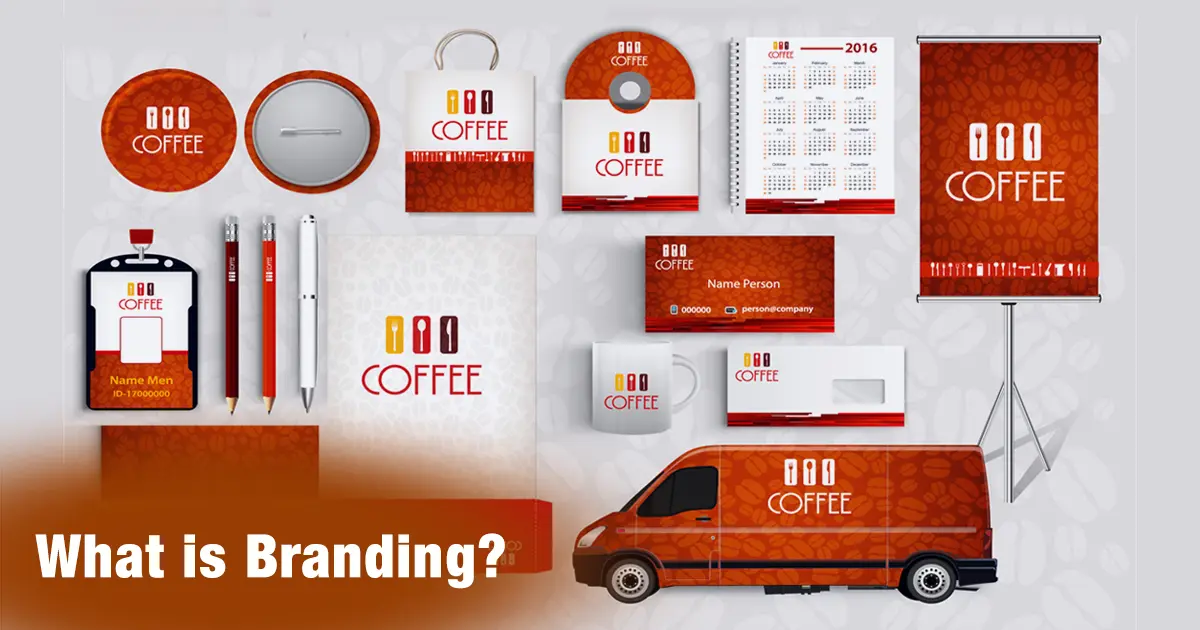
When you think of your favourite coffee shop or the technology you use daily, you are likely picturing more than just a product. You are thinking of a feeling, a reputation, and a promise of quality. This connection does not happen by accident. It is the result of a deliberate strategy. To truly grasp how businesses build these connections, we must first ask the fundamental question: What is branding?
At its heart, branding is the continuous process of shaping how people perceive an organisation. It is much more than a logo or a catchy slogan. It is the personality of a business. In the professional world, the role of branding is to act as a North Star, guiding every decision a company makes to ensure it stays true to its core values and remains recognisable to its audience.
The Comprehensive Branding Definition
To get started, let us look at a clear branding definition. Technically, branding is the strategic practice of utilising a name, symbol, or design to identify a product and differentiate it from competitors. In a modern context, however, branding transcends visual identity; it is the perception formed by the sum of every experience a customer has with a company. It represents the emotional connection and underlying promise that shapes how an audience feels, thinks, and interacts with a business at every touchpoint.
It includes everything from the way a staff member answers the phone to the colours used on a website. While marketing is often about the specific actions you take to sell a product, branding is the underlying reason why people trust you in the first place. The role of branding is to build that trust into a long-term relationship.
Diverse Types of Branding
Branding is not a "one-size-fits-all" concept. Depending on what you are trying to achieve, there are several different types of branding to consider.
- Personal Branding: This is all about how you present yourself as an individual. It is your reputation, your skills, and the unique value you bring to your professional circle.
- Product Branding: This is the most recognisable type. It focuses on making a single product stand out through unique packaging and specific features.
- Corporate Branding: Corporate branding encompasses the entire company. It reflects the organisation's history, its core values, and its reputation within the community.
- Service Branding: Because you cannot "touch" a service, this type relies on the quality of the experience and the professionalism of the people providing it.
- Co-Branding: It involves a collaboration between two brands, a joint effort to forge something fresh by merging their established images to attract a broader customer base.
Key Features of Branding
To resonate effectively, a brand must possess specific characteristics that solidify its position in the consumer's perception. These essential branding elements ensure that the brand identity is more than a visual layer; it serves as a dependable commitment to the audience.
- Consistency Across Platforms: A brand must maintain a uniform visual style, tone, and messaging across all digital and physical touchpoints to ensure a coherent identity.
- A Distinctive Voice: Establishing a unique personality allows an organisation to feel more like a reliable partner than a detached entity. By clearly articulating core values—such as sustainability or innovation—a brand fosters a deeper emotional connection with its audience.
- Memorability and Simplicity: The most successful brands employ clean designs and straightforward messaging that are easily recognised and remembered by the general public.
- Adaptability to Trends: While remaining anchored to its core identity, a resilient brand must be flexible enough to evolve alongside emerging technologies and shifting consumer expectations.
- Authenticity and Transparency: As modern consumers prioritise honesty, a brand’s operational actions must consistently align with the claims made in its marketing and communications.
The Significance of Branding
The significance of branding is more apparent today than ever before. In a marketplace saturated with digital and physical options, a strong brand acts as a critical mental shortcut for consumers. When a brand identity is clearly established, customers spend less time researching alternatives; they choose the recognised brand because it represents a safe, reliable, and predictable experience.
Beyond consumer perception, branding is a foundational driver of business growth and internal stability:
- Strategic Asset Value: A strong brand is a primary intangible asset that exceeds the value of physical equipment or inventory. It establishes a company as a market leader, ensuring that customers are willing to pay a premium for guaranteed quality and consistency.
- Brand Equity and Resilience: High brand equity provides a product with additional value derived solely from its reputation. This equity allows an organisation to navigate economic volatility more effectively, as loyal customers are less likely to transition to unverified, lower-cost alternatives.
- Internal Alignment: The impact of branding extends to corporate culture. When employees understand the brand’s core values, they perceive themselves as part of a unified mission. This shared sense of purpose fosters a more motivated and cohesive team, ensuring the brand’s promise is delivered at every level of the organisation.
Tangible Benefits of Branding
Many practical benefits of branding help an organisation thrive. These include:
- Instant Recognition: Customers can spot a familiar brand instantly, even in a busy environment.
- Building Credibility: A professional-looking brand tells the world that the business is serious and dependable.
- Easier Marketing: When an audience already knows and likes a brand, its advertisements become much more effective.
- Attracting Talent: The best professionals want to work for brands that have a positive and well-known reputation.
Disadvantages of Branding
- It requires a significant amount of time and money to do correctly.
- It is a huge responsibility, as one mistake can hurt the reputation of every product the company sells.
- It requires constant monitoring to stay relevant as trends change.
Branding vs Advertising
People often use these words as if they mean the same thing, but there is a big difference between branding and advertising. Think of branding as the foundation of a house and advertising as the paint on the walls. Branding is the long-term strategy of who you are, while advertising is the short-term tool used to tell people about a specific sale or product.
Starting a Career in the Industry
If the psychology behind consumer choice is of interest, a career in branding offers a structured path into the creative industry. Bangalore serves as a significant hub for these sectors, with several academic institutions providing specialised training in brand strategy and market analysis. These programs focus on the practical application of consumer insights and campaign management.
For those starting, undergraduate roles typically focus on execution, such as Junior Copywriter, Social Media Coordinator, or Marketing Assistant. As professionals progress into postgraduate or senior roles, the focus shifts to high-level strategy in positions like Brand Manager, Digital Strategist, or Creative Director. Success in this field requires balancing analytical data tracking with the ability to craft compelling brand narratives.
Conclusion
Effective branding serves as the foundational identity of a business, fostering long-term relationships through trust and clarity. In today’s market, understanding branding requires focusing on how a brand's unique values translate into a consistent customer experience. When an organisation remains authentic and delivers on its promises, it builds a reputation that resonates across every touchpoint.
The strategic role of branding is to bridge a company’s internal vision with public perception, creating a meaningful identity that aligns with human values. This process does more than just shape an image; it invites consumers to engage with a brand's story, ultimately driving sustainable growth and market influence.
For those looking to lead these high-impact campaigns, developing a deep understanding of brand strategy is the first step. You can explore a specialised curriculum designed for the next generation of creative leaders through the BBA in Branding and Advertising at JAIN (Deemed-to-be University).
Frequently Asked Questions (FAQs)
Q1. What is branding?
A1. Branding is the overall image and identity of a business. It is the process of creating a unique name and image for a product in the consumer's mind, primarily through advertising campaigns with a consistent theme.
Q2. Why is branding important?
A2. Branding is important because it not only makes a memorable impression on consumers but also allows customers and clients to know what to expect from a company. It is a strategic way to distinguish a business from its competitors.
Q3. What is the value of branding?
A3. The importance of branding lies in its ability to help a business gain recognition and trust. It provides the foundation for all marketing efforts and helps people understand exactly what an organisation stands for.
Q4. Is marketing the same as branding?
A4. No, they are distinct functions. Branding is the strategy of who you are, while marketing is the set of actions taken to communicate that message. Branding establishes the identity, and marketing follows to promote it.
Q5. What is the role of branding?
A5. The role of branding is to create a clear and honest image for a company. It helps build a loyal customer base and ensures that everyone in the organisation is working toward the same goals.
Q6. Why is branding used?
A6. Branding is used to make a product or company stand out. It helps businesses connect with their audience on an emotional level, making customers more likely to choose them over a competitor.