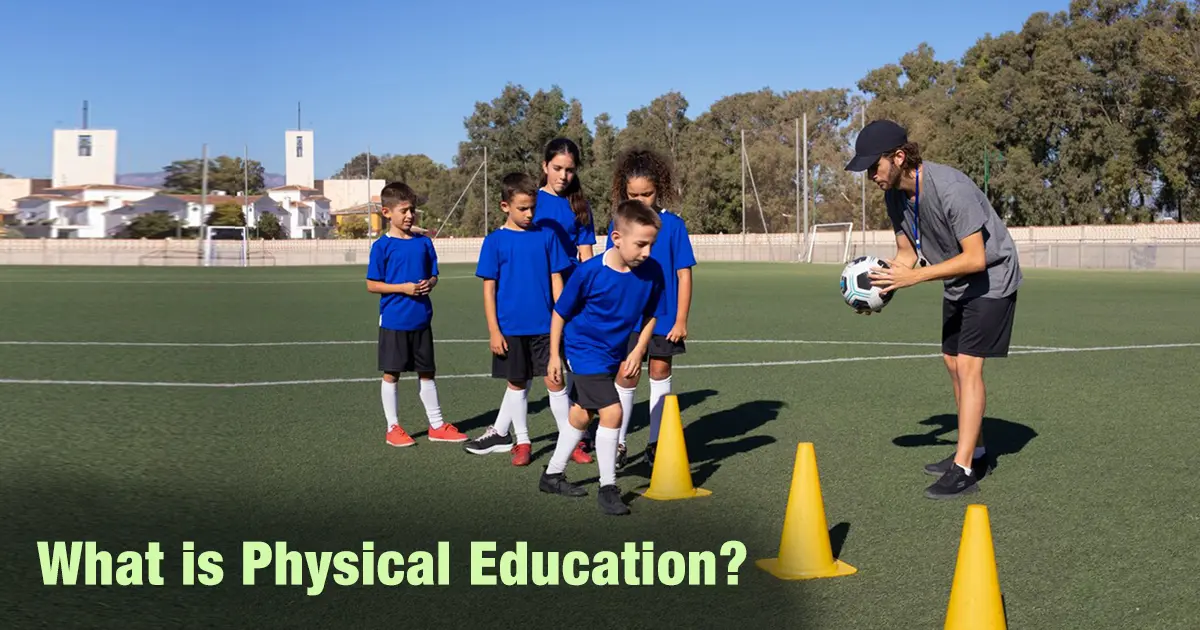
What is Physical Education?
Physical Education is a structured subject offered in schools and colleges focussing on physical fitness, motor skills, and overall well-being. It includes activities such as fitness exercises, team sports, individual sports, and yoga. Physical education helps build muscle strength, fitness, focus and coordination among students. This makes it an essential part of the curriculum in schools and universities.
A Physical Education programme will include activities such as:
- Running, strength exercises, and aerobics.
- Games and basic movements for motor skill development.
- Team and individual sports such as basketball, cricket, and football.
Importance of Physical Education
Physical Education promotes the overall social, physical, cognitive and emotional well-being of individuals. It primarily encourages health and fitness through regular physical activities. The importance of Physical Education goes beyond fitness, building discipline and resilience among students. Team sports in Physical Education encourage important life skills such as collaboration and leadership.
The purpose of Physical Education includes promoting mental well-being and an active lifestyle. Integrating Physical Education programmes in schools and universities along with academics can aid in the healthy development of individuals.
Benefits of Physical Education
There are multiple advantages of Physical Education, apart from building physical strength. Some of the key benefits include:
- Promotes regular exercise: Physical Education helps students exercise regularly, helping build healthy habits. It also helps build consistency, muscular strength, and prevents lifestyle diseases in the long term.
- Teaches emotional management: Physical Education builds emotional strength and resilience among students through its training. It also helps build confidence, perseverance, and cognitive function among individuals.
- Cultivates social skills: Physical Education helps build skills such as teamwork and collaboration through team sports and events. Relays, basketball, cricket, and football are some of the team sports. Participating in such sports teaches students to communicate better and have mutual respect for team members.
- Improves physical health: Another benefit of Physical Education is that it strengthens physical health by helping maintain good posture, bones and muscle health. This also helps in cardiovascular functioning and contributes to an active lifestyle.
- Improves mental well-being: Physical Education not just enhances physical health, but also improves mental and emotional well-being. It helps in elevating moods, reducing stress, and improving cognition. Individuals experience better sleep cycles after regular physical activity.
- Promotes personal development: Through Physical Education, students gain social and personal development. They learn important life skills such as discipline, perseverance, coordination, empathy, and leadership. These experiences build character traits and values such as perseverance and dedication that are highly valued in life.
- Improves academic performance: Individuals or students not only benefit through physical development, but also experience increased concentration, memory, and focus after regular physical activity. This increase in cognition and concentration leads to improved academic learning experience.
Role of Physical Education (PE) Teachers in Schools and Universities
Physical Education (PE) instructors play a crucial role in promoting sports activities in schools and universities. Good Physical Education instructors help in the holistic development of students by encouraging regular physical activity.
- PE instructors help design engaging programmes that include sports activities and wellness education.
- PE instructors promote fitness by organising activities such as balance and coordination exercises, team sports, individual activities and indoor games.
- The role of PE instructors also extends to educating individuals on concepts of nutrition, hygiene, and wellness, aiding health awareness.
- Good PE instructors cultivate important life skills such as sportsmanship, discipline, teamwork, leadership, and coordination among students. This also promotes personal development.
- They help identify athletic potential among students and guide them towards the right training opportunities for professional success.
Conclusion
In conclusion, Physical Education is an important subject that adds to the all-around development of students in schools and universities. PE encourages physical, mental, and social well-being through regular sports activities. By integrating PE programmes and training in curricula, institutions promote wellness and personal development in addition to academics. Students learn about teamwork, leadership and social skills during these sessions. Physical education thus plays an important role in fostering an active and healthy lifestyle among individuals.
Physical Education can also be pursued as a career in India with bright opportunities. If you are interested in this career, check out the Physical Education programmes at JAIN (Deemed-to-be University).
FAQs
Q1. Why is Physical Education important?
A1. Physical Education is a crucial subject for developing healthy habits and driving social, emotional, and mental well-being. It helps combat sedentary lifestyles, boosts overall health, and enhances cognitive focus.
Q2. What is the main goal of Physical Education?
A2. The main goal of Physical Education is to enhance the physical fitness, motor skills, and overall well-being of individuals. It helps promote an active lifestyle, discipline, teamwork skills, and resilience alongside physical competence through regular training.
Q3. Why do we need Physical Education?
A3. Physical Education is needed to foster balanced physical and social development among students. It helps improve academic performance through better concentration and teaches social skills essential for personal and professional success.
Q4. What is Physical Education in simple terms?
A4. Physical Education involves structured activities, sports, and fitness training. It focuses on building strength, coordination, and awareness about wellness through guided exercises and sports activities.
Q5. What types of activities are included in PE?
A5. PE includes a variety of activities such as team sports (cricket, football, basketball), individual exercises (running, swimming), indoor activities (table tennis, badminton), flexibility activities (yoga, gymnastics), and skill-building activities. These promote endurance, strength and teamwork among individuals.
Q6. Is PE equally important as academics?
A6. Yes, PE is equally important as other academic subjects for the holistic growth of students. While academics build intellect, PE enhances physical and mental health, leading to better cognitive function, discipline, and stress management that are key to balancing academic success.