The fashion industry is an economic powerhouse. It is flexible and widespread, bridging the gap between cotton farmers in a small village and the big retail brands in a metropolitan city.
Fashion Designing is an important component of this industry as it utilises raw creativity with real fabrics and cuts to create pieces that exude culture, personality, or a vibe.
With a focus on sustainability, this industry emphasises being more responsible and environmentally friendly in the contemporary world. As consumers become more conscious, the demand to use ethical methods and sustainable decisions increases as well.
Understanding the manufacturing process also helps aspiring designers build more responsible practices in the fashion ecosystem.
This blog aims to share insights on fashion designing, its types, skills, process and career opportunities.
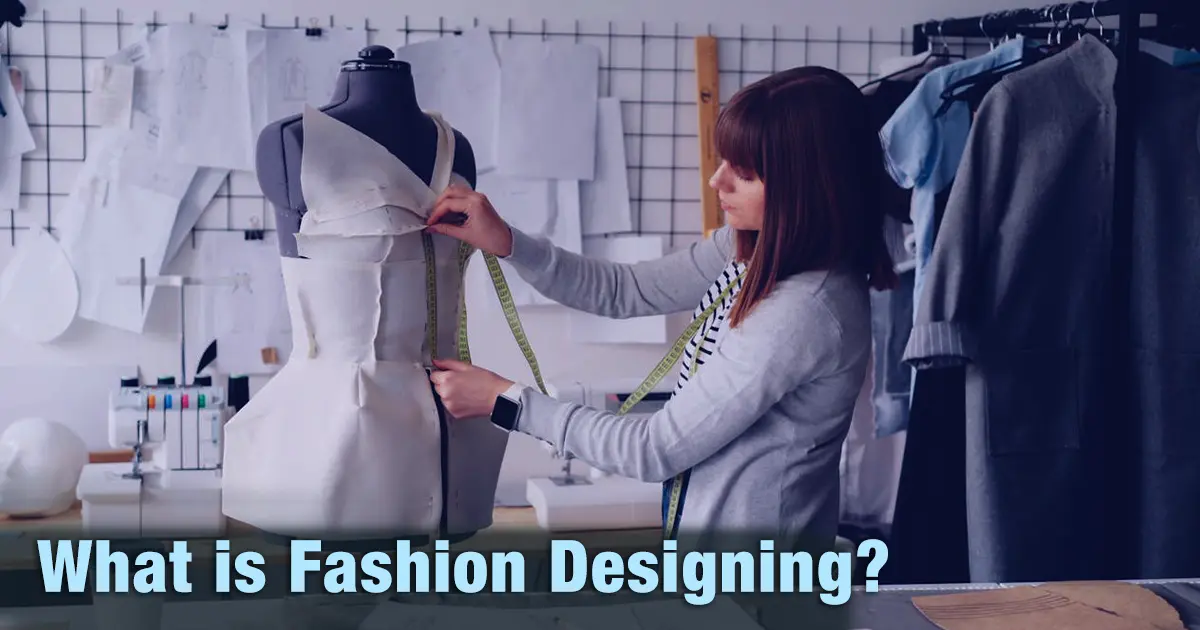
What is Fashion Designing?
Fashion Designing is a creative field where you apply innovation, imagination, and expression to design clothes and accessories.
It is an integral component of the apparel industry. It takes inspiration from different sources to create conceptual designs.
In Fashion Designing, every garment starts as an idea, which is then developed into sketches and prototypes. Fashion Design is not just limited to aesthetics, but also creating something that is wearable.
It is a discipline that uses art, narrative, and technical skills to express creativity and meet consumer needs.
Similar to painting or sculpting, Fashion Design is about creating art. However, instead of being displayed, this form of art is meant to be worn by human beings.
What Does a Fashion Designer Do? Key Roles & Responsibilities
Fashion Designers are the brains behind the clothes that we wear. It is an interesting but demanding discipline. The fashion designer's roles and responsibilities are as follows:
- Studying new fashion trends and the market demand
- Examining cultural, historical, social, and political factors that influence clothing choices
- Generating creative ideas and developing design concepts
- Drawing designs and making elaborate illustrations and technical sketches
- Coming up with patterns, samples, and prototypes of designs
- Obtaining cloth materials, colours and decorations in the markets
- Supervising the production process in factories to ensure quality and timelines
- Liaising with teams that are engaged in the execution of manufacturing and design
- Arranging exhibitions and displaying collections
- Going to seminars and conferences to establish contacts in the industry
- Selling and advertising designs to reach the right buyers
Types of Fashion Designing
Fashion Designing is a broad discipline that is divided into various categories.
Elements such as silhouettes, lines and design structures are some of the ways fashion designers show creativity. The different types of Fashion Designing are discussed below:
| Types of Fashion Designing |
Description |
| Haute Couture |
Focuses on custom-made, high-end garments crafted with precision, luxury fabrics, and intricate detailing. These exclusive designs are often showcased on premium runways. |
| Ready-to-Wear |
Offers stylish yet practical clothing designed for mass production and everyday use, making fashion accessible to a wider audience. |
| Sustainable Fashion |
Emphasises eco-friendly materials, ethical practices, and reduced waste to create environmentally responsible designs. |
| Streetwear |
Inspired by urban culture, it combines comfort with bold, expressive designs influenced by music, art, and street style. |
| Avant-Garde |
Focuses on experimental and unconventional designs that challenge norms and push creative boundaries. |
| Ethnic and Cultural Fashion |
Blends traditional elements with modern trends, showcasing cultural heritage through colours, patterns, and craftsmanship. |
| Sportswear |
Combines functionality and style, designed for active lifestyles with a focus on comfort, flexibility, and performance. |
| Bridal and Wedding Fashion |
Specialises in elegant and detailed attire for weddings, including gowns, suits, and accessories that reflect celebration and tradition. |
| Children’s Wear |
Focuses on comfortable, durable, and playful clothing designed specifically for infants and children. |
| Lingerie and Intimate Apparel |
Involves designing elegant and comfortable innerwear that balances functionality with aesthetics and personal expression. |
Fashion Design Process
Every step in the fashion design process is a reflection of practicality, passion and precision.
The end result? Garments that leave a long-lasting impression in the fashion world for years to come. The steps in the fashion design process are discussed below:
| Stage |
Description |
| Research and Inspiration |
Design begins with an idea. Designers explore sources like museums, historical archives, current events, and street styles to gather inspiration and build a creative foundation. |
| Sketching and Illustration |
Designers translate ideas into visual form through sketches, either on paper or digital tools. These detailed drawings act as a blueprint for the final garment. |
| Fabric and Material Selection |
Choosing the right fabric is crucial, as its texture, weight, stretch, and appearance influence the final outcome. Designers may also consider sustainability while selecting materials. |
| Pattern Making and Draping |
Designers create patterns that guide how fabric pieces are assembled. Draping helps shape the garment on a form, allowing adjustments before finalising the design. |
| Sampling and Prototyping |
Initial samples or prototypes are developed and tested to ensure the design meets expectations in terms of both appearance and functionality. |
| Final Production |
The approved design moves into full-scale production, where garments are manufactured, inspected, and prepared for the market. |
Career Opportunities in Fashion Designing
The career opportunities in Fashion Designing are diverse, especially if you are creative, have a good sense of style, and possess attention to detail.
The fashion designer career prospects in India have improved in recent years, with India being the 6th largest apparel market in the world.
With a relevant educational background and skill set, you can find opportunities in fashion exports, e-commerce platforms, and sustainable fashion industries.
Some of the best job roles in this field after completing a Bachelor’s and Master’s degree in Fashion Designing are as follows:
| Career |
Job Description |
| Textile Designer |
Creates fabric designs, prints, and textures for clothing and home furnishings. |
| Pattern Maker |
Develops patterns and templates that guide how garments are cut and assembled. |
| Fashion Illustrator |
Produces visual sketches and drawings to represent design concepts. |
| Fashion Merchandiser |
Plans, promotes, and manages fashion products to maximise sales and profitability. |
| Fashion Buyer |
Selects and purchases clothing and accessories for retail stores based on trends and demand. |
| Fashion Consultant |
Advises individuals or brands on styling, trends, and overall fashion choices. |
Important Fashion Designer Skills Required
A Fashion Designer career has evolved significantly over time. It has transformed from a craft-based profession into a dynamic field that includes creativity, business understanding, technology, and sustainability.
Some of the top fashion designer skills required to build a successful career in this field are as follows:
| Skill |
Description |
| Creativity and Vision |
Ability to generate innovative ideas and transform them into unique design concepts. |
| Technical Skills |
Knowledge of garment construction, pattern making, sewing, draping, and use of CAD tools. |
| Attention to Detail |
Ensures precision in design, measurements, fabric selection, and finishing quality. |
| Business Awareness |
Understanding of marketing, branding, budgeting, and sales in the fashion industry. |
| Communication Skills |
Ability to clearly convey ideas and collaborate effectively with teams and stakeholders. |
| Collaboration |
Works efficiently with manufacturers, retailers, and creative teams to execute designs. |
| Adaptability |
Ability to adjust to changing trends, technologies, and industry demands. |
| Resilience |
Capacity to handle challenges, competition, and setbacks in a dynamic industry. |
Key Takeaways
Fashion Designing is all about shaping culture, embracing innovation, and contributing to a more sustainable future.
As a fashion designer, you are capable of inspiring and influencing anyone with new trends that define every season.
If you are a creative and artistic individual, this field offers exciting career prospects. You can consider pursuing a Bachelor’s or Master’s degree in Fashion Designing to build the right foundation, industry exposure, and practical skills.
Take the next step now and explore the top Fashion Design degree courses that can help you pursue a successful career in this field.
FAQs
Q1. What is meant by fashion designer?
A1: A Fashion Designer is a professional who creates clothing and accessories using creativity, research, and technical skills. They transform ideas into wearable designs that combine style and functionality.
Q2. Is Fashion Designing a good career in India?
A2: Yes. Fashion Designing is a promising career in India due to the growing apparel market, rising demand, and expansion of e-commerce. It offers diverse opportunities in both domestic and global markets.
Q3. What do fashion designer do?
A3: Fashion Designers research trends, create design concepts, and develop garments and accessories. They also work on sketches, fabrics, and oversee the production process.
Q4. What is the work of fashion designer?
A4: The work includes designing clothing, selecting materials, creating patterns, and supervising production. They also participate in fittings, shows, and marketing activities.
Q5. Is Fashion Designing the right career for you?
A5: It is ideal for individuals who are creative, detail-oriented, and passionate about fashion trends. It suits those who enjoy combining art with practical and business skills.
Q6. What skills are required for a fashion designer?
A6: Key skills include creativity, technical knowledge, attention to detail, communication, and business understanding. Adaptability and trend awareness are also important.
Q7. What are the eligibility criteria for Fashion Design courses?
A7: To be eligible for the Bachelor courses, you must pass 10+2 from a recognised board with at least 50% marks.
For the Master's degree, you must have a Bachelor’s degree in a relevant discipline from a recognised university with at least 50% marks.
Some institutes may also require you to clear the entrance exams and submit your portfolio.
Q8. Is it possible to be a fashion designer without holding a degree?
A8: Yes, it is possible with strong skills, creativity, and practical experience. However, formal education can provide better exposure, training, and career opportunities.