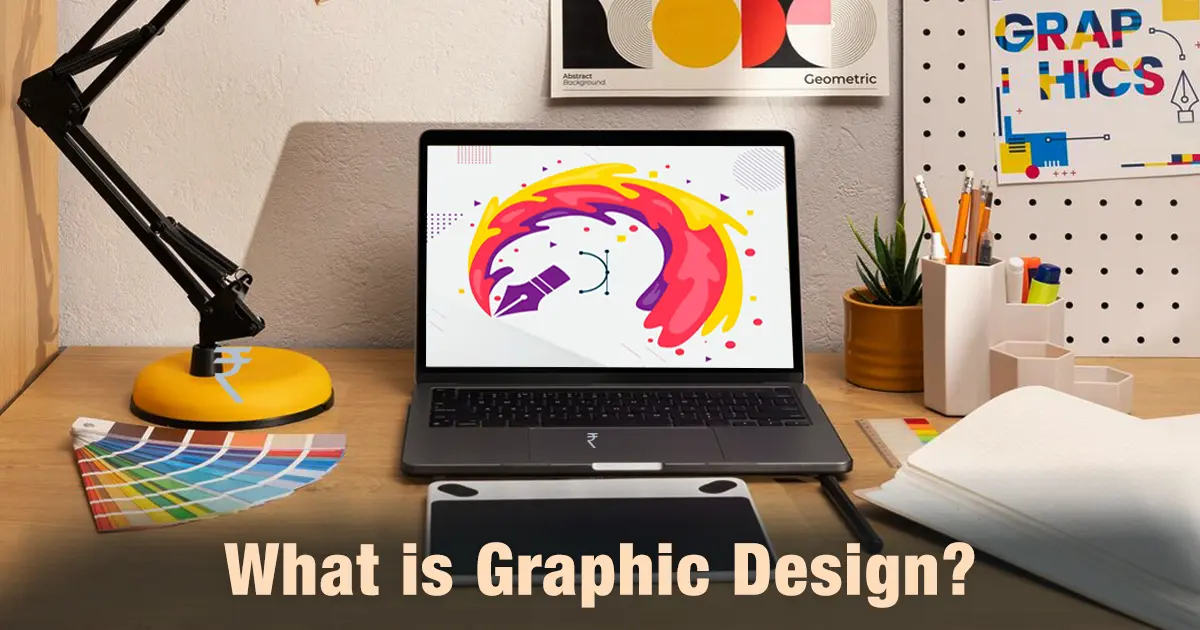
Graphic design serves as an essential bridge between art, communication, and technology. It transforms abstract ideas into visually compelling forms that inform and persuade the audience. The field is rooted in principles of aesthetics, semiotics, and user experience. This blog explores graphic design, its purpose, types, tools and career scope.
What is Graphic Design?
Graphic design is the craft of creating visual content using typography, imagery, colours, and layout. Designers create various types of visual elements to resonate with the target audience. They shape perceptions and enhance communication in marketing campaigns, design user interfaces, publications, and other materials.
Purpose of Graphic Design
The purpose of Graphic Design is to communicate and solve problems. It uses text, images, colours, and symbols to build brand identities, boost user engagement, and deliver clear information. Key objectives include brand building, recognition, grabbing the audience's attention, and simplifying information. It is widely used across industries such as advertising, web development, marketing, e-commerce, media, and technology. This includes visual identity design, marketing and advertising design, and user interface design. Good design can help contribute to increased engagement and revenue.
Types of Graphic Design
Graphic Design focuses on various types of visual communication across platforms. Below is a detailed list of the various types of Graphic Design and their description.
| Type |
Description |
| Brand Identity Design |
Designing logos, letterheads, and style guides for a unified business across print and digital. |
| Promotional & Ad Design |
Building flyers, banners, social posts, and mailers to drive attention and sales. |
| UI Screen Design |
Designing user-friendly and visually appealing apps, websites, and game interfaces. |
| Editorial Layout Design |
Arranging content for books, magazines, and brochures with engaging formats. |
| Product Packaging Design |
Creating labels and boxes that make products pop on shelves while meeting brand and legal needs. |
| Animated Graphics Design |
Animating elements for videos, ads, and web using dynamic storytelling techniques. |
| Spatial Installations Design |
Developing signage and displays in physical spaces to improve navigation and user experience. |
| Custom Illustration Design |
Generating original artwork and icons for apparel, books, and apps with creative flair. |
What Does a Graphic Designer Do?
Graphic designers visualise and bring ideas to life through various tools to satisfy client requirements. They design logos, digital banners, packaging, and all marketing and advertising collateral. Graphic designers also craft user interface layouts, publications, and motion graphics tailored to business needs. Collaboration and working under tight deadlines are some of the essential skills they need to work.
Graphic Design Process
The Graphic design process involves steps like briefing, research, ideation, design creation, and final revisions. Designers first understand client goals clearly before starting the process. They then prototype using sketches or wireframes. The process follows with feedback and export of the files for use. This iterative process continues to be applied to produce effective visual outcomes.
Graphic Design Skills
Graphic design requires a combination of technical and soft skills. Proficiency in typography, colour theory, compositional principles, and tools such as Adobe Creative Suite are some of the technical skills required for success in the role.
Communication, adaptability, and problem-solving are essential soft skills for success in the Graphic design field. These attributes allow designers to manage client expectations effectively and develop creative solutions to complex visual challenges.
| Essential Skills |
Description |
| Typography Expertise |
Includes selecting, pairing, and arranging fonts to boost readability and hierarchy. |
| Brand Development |
Building brand assets like logos, colour schemes, and guidelines aligned to client goals. |
| Motion & Interactive Design |
Creating animations, video edits, and interactive elements for digital platforms. |
| Client Collaboration |
Interpreting briefs, presenting work, and incorporating feedback from teams. |
| Production Proficiency |
Knowledge of print prep, file formats, and basic HTML/CSS for production-ready outputs. |
Tools for Graphic Designers
Some of the popular tools for Graphic Design include:
- Adobe Creative Suite for creating and editing
- Photoshop for editing
- Illustrator for vector graphics
- InDesign for layouts
- Figma for UI/UX design
- Sketch for web design and app interfaces
Tools such as GIMP, Inkscape, and Canva also aid designers in their workflow. Prototyping tools like Adobe XD and After Effects are used for motion graphics.
Benefits of Graphic Design
Graphic design provides significant benefits for both businesses and creative professionals. High-quality visuals enhance brand awareness and customer loyalty. Graphic design also increases marketing returns by driving higher engagement. The field offers creative autonomy, flexibility and steady demand for graphic designers, offering a wide career scope for professionals.
Career Scope of Graphic Design
Graphic design offers wide career opportunities across several creative fields such as digital marketing, branding and e-commerce. Graphic designers, UI/UX designers, motion graphics designers, and art directors are some of the key careers in the field.
In India, the demand for graphic designers is rising with the growing e-commerce and emerging trends such as 3D visualisation. Starting salaries of Graphic designers typically range between INR 2 to 5 LPA, depending on skills and location. Latest trends emphasise AI-generated art, bold minimalism, retro-futurism, and immersive AR/VR experiences.
Conclusion
Graphic design is an important creative field that combines art and strategic communication. Graphic designers work on various types of graphic design, such as brand identities, marketing materials, websites, social media graphics and print materials. The field offers various career paths in areas of marketing, publishing, advertising, entertainment, and gaming. Choosing the right educational programme helps build skills in both theory and practical concepts.
To build a strong foundation in Graphic design, explore the BA Communication and Design programme at JAIN (Deemed-to-be University). The programme will help you enhance your creative skills and prepare for a career in the industry.
FAQs
Q1. What is meant by Graphic Design?
A1. Graphic design is the art of creating visuals using typography, imagery, colour, and layout to communicate messages and solve business problems effectively.
Q2. What are common design elements?
A2. Common design elements include line, shape, colour, texture, space, form, typography, and imagery, which form the building blocks of visual compositions.
Q3. What does a career in Graphic design look like?
A3. A Graphic design career involves creating visuals for brands, ads, and digital platforms, with roles ranging from junior designer to art director in agencies, freelancing, or corporate firms.
Q4. What do designers typically work on?
A4. Designers typically work on logos, websites, social media graphics, brochures, packaging, advertisements, and motion graphics to meet client needs.
Q5. Do I need a degree to be a Graphic Designer?
A5. No, a degree isn't usually required to build a career in Graphic design. A strong portfolio, skills in tools like Adobe Suite, and practical experience through projects or certifications help build opportunities.
Q6. Is a career in Graphic Design worth it?
A6. Yes, a career in Graphic Design is worth it due to high demand in areas such as digital marketing. It provides flexible remote work, creative fulfilment, and competitive salaries starting at INR 2 - 5 lakhs per annum in India.
Q7. Why Graphic Design Matters?
A7. Graphic design is important in today's world because it enhances communication, builds brand recognition, engages audiences visually, and also drives business success in a content-saturated world.