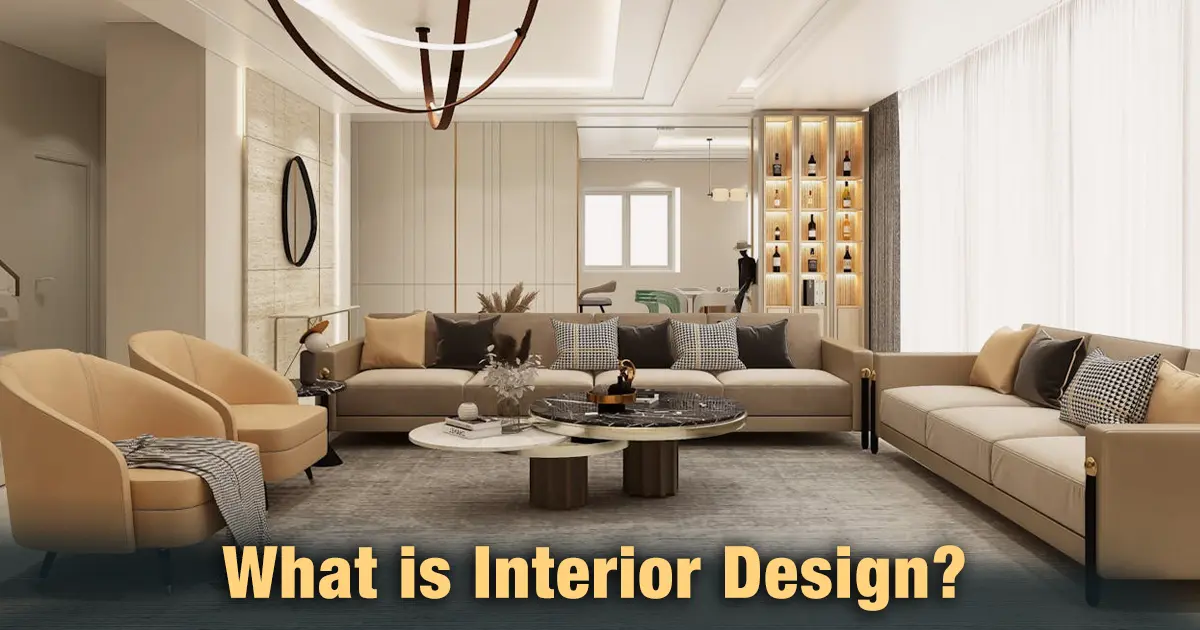
Have you ever noticed that we spend most of our lives inside built environments—rooms defined by walls, floors, and ceilings? Yet, some spaces feel much more comfortable and functional than others. That difference usually comes from how the area has been planned. Interior design goes beyond simple arrangement; it focuses on shaping spaces to support how people live, work, and interact.
If you are thinking about a career in interior design, it helps to see how creative ideas turn into usable spaces. Designers do more than just improve the visual appeal of a room. They determine how a space will be used, how people will move within it, and what will make it work better in real situations.
This blog helps you understand the concept of interior designing, its types in India, and how the design process works.
What is Interior Design?
Interior design focuses on developing practical and aesthetically balanced solutions that are technically sound and meet specific requirements.
It is a professional discipline that focuses on planning and designing interior environments to ensure functionality, safety, and user comfort.
Interior design is guided by design principles and an understanding of human behaviour, allowing designers to create spaces that respond to real needs.
What are the Different Types of Interior Design in India?
In India, interior design usually mixes traditional heritage with contemporary needs. Choosing between the different types of interior design in India involves understanding how various styles, from heritage looks to modern setups, can be adapted to fit local lifestyles.
- Traditional Style: Often seen in homes featuring carved wood furniture, detailed patterns, and brass elements.
- Modern Style: Focuses on simplicity with straight lines, open layouts, and a strong emphasis on the practical use of space.
- Contemporary Style: This style is ever-changing and reflects current trends, often using bold colours and sophisticated finishes.
- Minimalist Style: Based on the "less is more" principle, it uses a neutral palette and clean surfaces to create a clutter-free environment.
- Industrial Style: Inspired by warehouses and urban lofts, it uses raw materials like exposed brick, concrete, and metal pipes.
- Fusion Style: A popular choice that brings together old and new elements in the same space without losing balance.
- Sustainable Style: Focuses on eco-friendly materials and design choices that reduce environmental impact.
Across these styles, you will often notice common elements like textured fabrics, handcrafted pieces, and metal accents such as brass lighting, which add depth without affecting usability.
What Does the Interior Design Process Involve?
Interior design projects usually move in stages rather than all at once. Each step adds to the previous one, so by the end, the space is not just designed but also practical to use and aligned with the given requirements.
| Stage |
What happens |
| Requirement Gathering |
Identifying user needs and planning how the space will be used |
| Space Planning |
Creating floor plans to ensure people can move easily and safely |
| Concept development |
Create design ideas based on research, creativity, and requirements |
| Design development & selections |
Finalise materials, finishes, furniture, and equipment |
| Documentation |
Prepare technical drawings and specifications for approvals and construction |
| Coordination |
Align plans with architects, engineers, and consultants |
| Project management |
Manage timelines, budgets, and execution during construction |
| Post-occupancy evaluation |
Review performance based on user feedback and space usage |
What Does an Interior Designer Do?
Interior designers work on shaping spaces so they function properly in real use. Along with planning layouts and visuals, they also deal with technical details, making sure the design works within actual constraints.
| Area |
What they handle |
| Space planning |
Arrange layouts to improve movement, usability, and safety |
| Materials & furniture |
Select finishes, furniture, and fixtures that suit the purpose and durability |
| Lighting & acoustics |
Plan lighting and sound for comfort and usability |
| Code compliance |
Ensure designs follow safety, building, and energy regulations |
| Documentation |
Prepare drawings and detailed plans for execution |
| Coordination |
Work with architects, engineers, and contractors to deliver the final space |
Benefits of Studying Interior Designing
Studying interior design opens up practical as well as creative opportunities across different industries. The significant benefits of studying interior design are shared below.
| Benefit |
Description |
| Creative expression |
Turn your ideas into real spaces through layouts, colours, and materials |
| Specialisation options |
Choose areas like residential, commercial, or sustainable design |
| Diverse job roles |
Work in design studios, architectural firms, retail, or construction |
| Salary potential |
Entry-level earnings can start around INR 24,000 per month |
| Entrepreneurship scope |
Start your own design studio or freelance independently |
| Continuous learning |
Stay updated with trends, materials, and new design tools |
| Real-world impact |
Create spaces that improve comfort, usability, and daily life |
Career Scope of Interior Designing in India
There are different courses in interior design in India, and you can choose one based on your preference and eligibility.
Courses you can pursue:
- BSc Interior Design
- B.Voc in Interior Design
- BA in Interior Design
- BFA in Interior Design
- MA in Interior Design
- MFA in Interior Design
- Diploma in Interior Design
Once trained, you can explore opportunities across various sectors.
| Area |
Where to Explore Opportunities |
| Residential design |
Homes, apartments, and villas |
| Commercial design |
Offices, restaurants, retail stores, and business spaces |
| Institutional design |
Schools, hospitals, clinics, and government buildings |
| Hospitality design |
Hotels, resorts, and recreational spaces |
| Exhibition design |
Trade shows, galleries, and showrooms |
| Public space design |
Parks, museums, libraries, and community centres |
| Landscape design |
Outdoor spaces, gardens, and surrounding environments |
Interior Designing Skills
Interior design skills are a combination of technical knowledge and creativity. You can explore the important skills below.
| Types of Interior Designing Skills |
What it includes |
| Creative & Artistic Skills |
Visualise spaces, apply colour theory, maintain proportion and balance, and work across different design styles |
| Technical Skills |
Use CAD tools (AutoCAD, SketchUp), understand building codes, create drawings, and select suitable materials |
| Professional & Soft Skills |
Communicate with clients and teams, manage time and projects, handle budgets, and solve on-site challenges |
Conclusion
The scope of interior designing in India is quite broad. It offers opportunities across multiple sectors. The field brings together creativity and practical problem-solving to shape spaces that people use every day. As the demand for well-planned environments continues to grow, building the right skills through in-depth learning becomes important.
If you are considering a career in interior designing, exploring the relevant programmes at JAIN (Deemed-to-be University) can help you understand how design concepts are applied in real projects and prepare you for varied career paths in this space.
FAQs
Q1: What is mean by interior design?
A1: Interior design focuses on planning and improving indoor spaces so they look appealing and function properly. It involves layouts, colours, furniture, lighting, and materials to create a comfortable and practical environment.
Q2: What are the benefits of interior designing?
A2: There are several benefits of studying interior designing, which include:
- Improved aesthetic appeal and visual comfort
- Better functionality and efficient space use
- Enhanced safety and accessibility
- Higher productivity and creativity
- Reduced stress and better mental well-being
- Increased property value and marketability
Q3: Does interior designing have scope in the future?
A3: Yes, the field of interior design has a strong future scope due to the rising demand for professionals who can design functional, sustainable, and visually appealing spaces.
Q4: What is the course for interior designing?
A4: Various interior design courses include:
- BSc Interior Design
- B.Voc in Interior Design
- BA in Interior Design
- BFA in Interior Design
- MA in Interior Design
- MFA in Interior Design
- Diploma in Interior Design
Q5: How to make career in interior designing?
A5: To build a career in interior designing:
- Complete a diploma or degree in interior design from a recognised institute
- Gain hands-on experience through internships or entry-level roles
- Build a strong portfolio to showcase your best work
- Earn professional certifications to demonstrate your competency in the field
- Stay updated with the latest trends and industry practices
- Network with other professionals and potential clients
- Start your own firm or collaborate on established projects
Q6: What exactly does an interior designer do?
A6: An interior designer plans layouts, selects colours and furniture, designs lighting, and coordinates with clients and vendors to create spaces that are both functional and visually aligned with the design plan.
Q7: Is interior design stressful?
A7: It can be challenging due to deadlines and client expectations, but with good planning and communication, it becomes manageable and rewarding.