Have you ever thought about why you suddenly feel like buying that skincare product everyone seems to love?
It can be a result of a well-crafted advertisement that can influence your product choices.
From the shoes you admire online to the apps you download, many of your preferences are shaped by what you see, hear, or read every day.
Advertising works subtly, catching your attention, building interest, and gently guiding you toward a decision.
But what exactly does advertising mean?
How does it impact businesses and consumers, and what opportunities does it create as a career?
The blog discusses what advertising is, its meaning, types, importance, role of advertising, and scope to make an informed career decision.
What is Advertising?
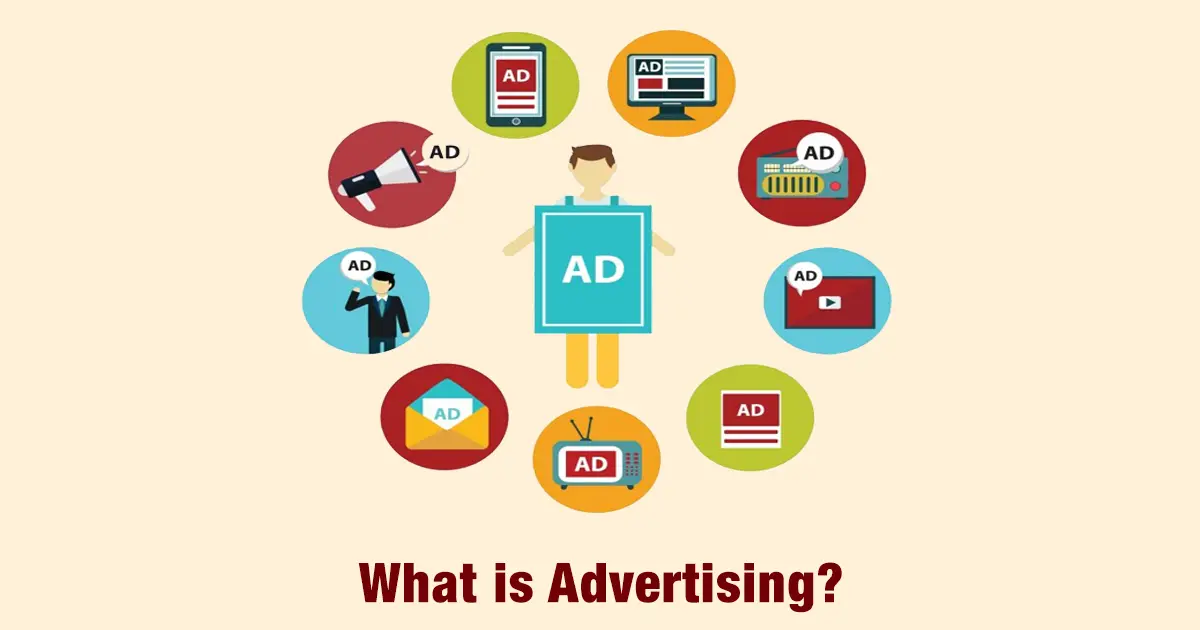
Advertising is a paid means of informing and influencing a large group of people to buy a product or service with the help of visual or written messages.
The purpose of advertising is to capture the attention of the audience and promote brand longevity.
The advertising goals include:
- To inform customers about new products or services, along with related information such as features, location, and offers
- To convince consumers to choose a product by highlighting its benefits, such as quality, price, or lifestyle appeal
- To remind customers about the brand repeatedly to reinforce customer loyalty
Advertising can be as simple as a poster on a wall to something as massive as an IPL commercial viewed by millions of people.
Features of Advertising
The features of advertising are as follows:
| Feature |
Description |
| Paid form |
Advertising is a paid method of communication where the sponsor bears the cost, making it commercial in nature. |
| Impersonality |
Advertising does not involve direct face-to-face interaction between the seller and buyer, serving as mass communication rather than personal selling. |
| Identified Sponsor |
Every advertisement is backed by a known sponsor whose name or identity is clearly mentioned. |
Elements of Advertising
The important elements of an advertisement are as follows:
Headline
The first thing that viewers pay attention to is the headline, which serves as a hook to attract the audience. It must be concise and captivating, and must hype up the individuals to seek out more information about the ad.
Visuals
Images capture the attention and foster an emotional bond. Powerful pictures, illustrations, or videos can convey messages instantly and even communicate information that words cannot.
Body Copy
Body copy includes detailed information about the product or service being advertised. It describes the advantages and emphasises what makes the offering special.
Call to Action (CTA)
The CTA guides the audience on the next step, e.g., Buy Now or Sign Up. It must be motivating and must be direct, obvious, and persuasive.
Branding
Branding encompasses aspects such as the logo, name, and colours that represent a firm. It helps in creating awareness, credibility, and uniformity in advertisements.
Types of Advertising
Different types of businesses adopt a unique style of advertising to demonstrate their brand values and objectives. They choose their type based on the product, target audience, and end goals.
The types of advertising that are commonly used are as follows:
| Type |
Description |
Examples |
| Traditional Media Advertising |
A conventional form of advertising using television, radio, newspapers, and magazines to reach a wide audience, especially effective for storytelling and older demographics. |
- TV commercials
- Radio ads
- Newspaper advertisements
- Magazine ads
|
| Digital Media Advertising |
A modern form of advertising that uses online platforms to target audiences based on interests, age, and behaviour, offering flexibility and precision. |
- Social media ads on Instagram, Facebook and YouTube
- Google Ads
- Email campaigns
|
| Outdoor Advertising |
Advertising displayed in public spaces like streets and transport systems, designed to deliver short and impactful messages for high visibility. |
- Billboards
- Posters
- Transit ads (buses, trains, stations)
|
| Influencer Marketing |
A rapidly growing type of advertising where brands collaborate with influencers to promote products in a relatable and creative way. |
- Instagram influencer promotions
- YouTube product reviews
- Sponsored social media posts
|
Importance of Advertising
Advertising is a dependable way for businesses to deliver targeted messages and showcase their products to potential buyers.
Without advertising, it becomes difficult to reach out to new customers. Through advertising, companies can stay ahead of competitors and expand geographically.
But, as every coin has its two sides, advertising also has its merits and demerits. The table below showcases the advantages and disadvantages of advertising:
| Merits of Advertising |
Demerits of Advertising |
| Mass reach: Advertising can reach a large number of people at the same time through media like TV, radio, and newspapers. |
No personal touch: Advertising is impersonal, so people may ignore the message, as there is no direct interaction. |
| Enhances customer satisfaction and confidence: Widely advertised products feel more trustworthy, making customers more confident and satisfied. |
Lack of feedback: It is difficult to measure effectiveness because there is no immediate response from customers. |
| Expressiveness: Modern advertising uses creative visuals, graphics, and media to make products more attractive and engaging. |
Inflexibility: Advertisements use standard messages and are difficult and costly to change once created. |
| Economical: Since it reaches a large audience, the cost per person is relatively low compared to other methods. |
Low effectiveness: With so many ads today for one single brand, it can be hard for various organisations to grab attention and stand out among the audience. |
Functions of Advertising
Advertising performs a number of functions that play a significant role, including informing, influencing, adding value, and establishing trust. All these functions help in the overall marketing strategy of a business.
Informing
Advertising assists in creating awareness regarding products, services, or ideas. It gives information such as features, benefits, price, and availability of the product or service. This allows consumers to understand and select the appropriate brand confidently.
Influencing
Advertising influences consumer perceptions and decisions based on attractive images, emotions, and powerful messages. It can also influence their purchasing behaviour in the long term.
Adding Value
Advertising emphasises the uniqueness and value of a product or service. It makes the product more appealing and valuable to its customers by addressing their benefits, quality, and convenience.
Career Scope of Advertising
According to a report by Business Today, the Indian advertising industry is projected to grow by 10.8 percent in the coming years.
The rise of digital marketing will also help you pursue unique career opportunities in this field.
With a relevant degree in Advertising, skill set, and exposure, you can build a promising career in advertising.
You can pursue lucrative job roles in publication houses, public relations companies, and corporate marketing departments.
Some of the best career prospects in this field are as follows:
| Job Role |
Job Description |
| Copywriter |
Creates engaging and persuasive content for advertisements to attract and influence the target audience. |
| Account Manager |
Manages client relationships and ensures advertising campaigns meet client goals and expectations. |
| Advertising Media Planner |
Plans and selects the best media platforms to run ads for maximum reach and impact. |
| Client Service Executive |
Acts as a link between clients and the agency, ensuring smooth communication and project execution. |
| Market Research Analyst |
Studies market trends and consumer behaviour to help businesses make informed advertising decisions. |
How to Create an Advertisement?
Here are some guidelines on how to do advertisement:
| Guideline |
What You Need to Do |
| Stay on strategy |
Align ads with business positioning, target audience, and unique product benefits. |
| Choose the right platform |
Advertise on platforms where your target audience is most active. |
| Keep the message simple |
Use a clear, single message that is easy to understand and remember. |
| Maintain a consistent style |
Follow a consistent tone and personality to build recognition. |
| Be credible |
Ensure all claims are honest and avoid misleading comparisons. |
| Include a call to action |
Guide customers on what to do next with clear instructions and details. |
| Stand out from competitors |
Make ads unique and memorable to capture attention. |
| Be truthful and ethical |
Follow advertising laws and maintain honesty in messaging. |
Key Takeaways
As digital platforms and creative media expand at a fast rate, advertising as a career offers great opportunities.
You can work in different areas such as content, strategy, design, or analytics. If you love telling stories in an innovative way, you can explore career opportunities in this field.
Consider pursuing a professional course in Advertising to acquire appropriate skills, practical experience, and exposure to the industry.
Take the first step towards building a rewarding career in this dynamic sector!
FAQs
Q1: What is meant by advertising?
A1: Advertising is a paid form of communication used to inform and influence people about a product, service, or idea. It uses visual, oral, or written messages to reach a large audience.
Q2: What is the purpose of advertising?
A2: The purpose of advertising is to create awareness, attract customers, and promote products or services.
Q3: Why advertising is important?
A3: Advertising is important because it helps businesses reach a wider audience and stay competitive.
Q4: What are the importance of advertising?
A4: Advertising helps in building customer trust and increasing sales. It also supports market expansion, and strengthens customer relationships.
Q5: What makes an advertisement effective?
A5: An effective advertisement has a clear message, appealing visuals, and a strong call to action. It connects with the target audience and is easy to understand and remember.
Q6: What are the uses of advertising?
A6: The main purpose of advertising is to increase sales and revenue for a business. It also helps in promoting new launches and maintaining brand presence.