As of February 2026, nearly 5.56 billion people in the world are active internet users.
This underlines the extent to which digital technologies are embedded in the daily lifestyle, affecting the ways people research, shop, and engage with brands.
Digital Marketing is one of the most effective tools that businesses use to achieve their objectives in the contemporary world.
Regardless of whether it is a small company or a large corporation, a robust digital presence is inevitable in the modern economy.
This blog will help the readers understand what digital marketing is, its types, significance, career prospects, and other aspects.
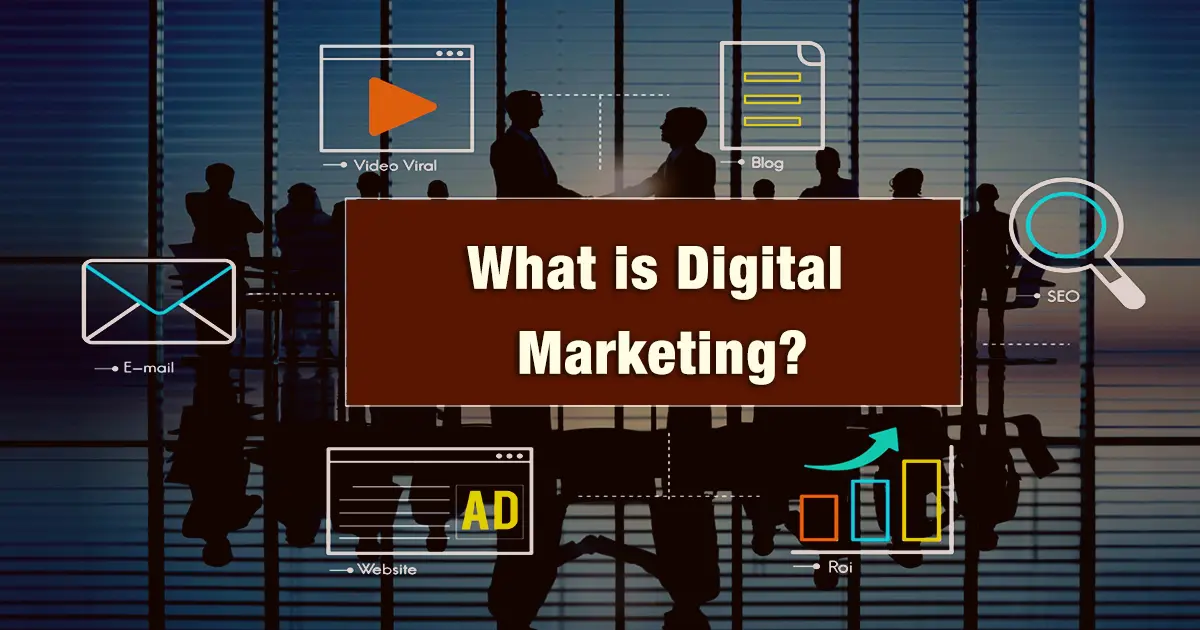
What is Digital Marketing?
Digital Marketing is a field that is used to advertise and sell products, services or ideas using different digital mediums. Digital marketing services, unlike traditional marketing methods, enable companies to reach out to their audience directly and simultaneously.
Types of Digital Marketing
Digital Marketing consists of various channels that are used to create useful marketing strategies. The different types of digital marketing techniques that can help create targeted campaigns are as follows:
| Technique |
Description |
Real-Life Case Scenario |
| Search Engine Optimisation (SEO) |
Improves a website’s visibility on search engines using keywords, content, and site structure to drive organic traffic. |
A skincare brand’s blog appears on Google’s first page when users search “best sunscreen for oily skin.” |
| Content Marketing |
Creates and shares valuable content like blogs, videos, and infographics to attract and engage audiences. |
A fitness brand posting YouTube workout tutorials and blog guides on weight loss. |
| Social Media Marketing |
Promotes products and engages users through platforms like Instagram, Facebook, and LinkedIn. |
A clothing brand launching a new collection through Instagram reels and influencer collaborations. |
| Email Marketing |
Sends targeted emails such as newsletters and offers to nurture leads and drive conversions. |
An e-commerce website sending personalised discount emails during festive sales. |
| Pay-Per-Click (PPC) Advertising |
Uses paid ads where businesses pay only when users click on them. |
A travel company running Google Ads that appear when users search “cheap flights to Goa.” |
| Affiliate Marketing |
Partners with affiliates who promote products and earn a commission on sales. |
A blogger sharing Amazon product links and earning commission on each purchase. |
| Influencer Marketing |
Collaborates with influencers to promote products to their followers. |
A beauty influencer reviewing a new makeup product on Instagram and YouTube. |
| Mobile Marketing |
Targets users via mobile devices through apps, SMS, and mobile-friendly content. |
Food delivery apps sending push notifications about discounts or flash deals to encourage quick orders. |
Importance of Digital Marketing
Today, the majority of users will move to a competitor’s website if a particular company’s website doesn't work properly. This is one such example of how crucial digital marketing services are to businesses in the modern world.
Digital Marketing helps businesses reach the right audience online, increase website traffic, boost sales, and generate revenue consistently. The importance of Digital Marketing is discussed below:
Reach customers where they spend time
The number of customers browsing and shopping online is increasing, as billions of people access the internet every day. A good online presence means that your business will be noticed by potential customers and will help you get leads that are of value.
Remain Competitive in the Market
Digital Marketing is already utilised by the majority of businesses via social media, SEO, and paid advertisements. Failure to stay updated digitally will make you lose out on customers to other competitors who are busy interacting and attracting your audience on the internet.
Compete against Bigger Brands
Digital Marketing provides an opportunity for small and medium-sized businesses to compete with large corporations. Strategies like SEO and PPC focus on relevance and quality, not just budget, giving smaller brands a fair chance to rank and grow.
Target the Right Audience
It allows the audience to be accurately targeted on the basis of demographics, interests, and behaviour. Businesses can create personalised campaigns that reach the right people, improving engagement and conversion rates.
Use Multiple Strategies
Digital marketing uses various strategies like SEO, PPC, social media, email, and content marketing. These measures are used by businesses to target a broader audience and produce more positive outcomes.
Build Brand Awareness
Although users may not buy now, Digital Marketing plays a significant part in brand exposure. This familiarity will, over time, result in trust and will prompt the customers to consider your brand when they are willing to purchase.
Measure and Enhance Performance
The possibility to track campaigns in real time is one of the biggest benefits of Digital Marketing. Analytics platforms can help measure traffic, conversions, and user behaviour. Such tools can help businesses optimise their strategies in a better way.
Good Return on Investment (ROI)
Digital Marketing is cost-effective and delivers strong returns. It is cheaper to invest in compared to traditional marketing, and has a better reach, targeting and profitability.
Top Digital Marketing Courses to Pursue
Due to the growing demand for digital specialists across industries, pursuing a course in Digital Marketing can open the doors to great career opportunities. Some of the best Digital Marketing courses to pursue in 2026 are as follows:
| Course Type |
Course Name |
Level of Study |
Duration |
| Diploma |
Diploma in Digital Marketing |
Diploma |
1-2 Years |
| Degree Programme |
Bachelor of Business Administration (BBA) in Digital Marketing |
Undergraduate |
3 Years |
| BBA in Digital Business |
Undergraduate |
4 Years |
| Master of Business Administration (MBA) in Digital Marketing |
Postgraduate |
2 Years |
| MBA in Marketing |
Postgraduate |
2 Years |
| MBA in Digital Business and Marketing |
Postgraduate |
2 Years |
| Certification |
Coursera: Google Digital Marketing & E-commerce Professional Certificate |
Certification |
6 Months at 10 hours per week |
| Indian School of Business (ISB) Certificate Course in Digital Marketing and Analytics |
Certification |
13 Weeks |
| LinkedIn: Advance as a Digital Marketing Specialist |
Certification |
10 Hours |
Career Opportunities in Digital Marketing
A career in Digital Marketing is versatile, as you can find employment opportunities in various fields such as creative agencies, media houses, consulting firms, or as part of an in-house marketing department. Some of the best Digital Marketing jobs are as follows:
| Digital Marketing Jobs |
Job Description |
| Content Marketer |
Creates and manages valuable content to attract, engage, and convert target audiences. |
| Digital Advertising Executive |
Plans and executes paid online campaigns to drive traffic and conversions. |
| SEO/SEM Specialist |
Optimises websites and manages search ads to improve visibility on search engines. |
| Social Media Manager |
Manages social media platforms to build brand presence and engage with audiences. |
| Affiliate Marketing Manager |
Oversees affiliate partnerships to drive sales through commission-based promotions. |
| Digital Marketing Strategist |
Develops and implements comprehensive digital marketing strategies to achieve business goals. |
Challenges in Digital Marketing
Along with advantages, Digital Marketing also comes with its own set of challenges. If you are aware of these issues, as a business professional, you can help firms plan better strategies and overcome them.
The challenges in Digital Marketing, along with their possible solutions, are outlined below:
| Challenge |
Description |
Solution |
| Increasing Competition |
The digital space is highly crowded as more businesses move online, making it harder to stand out. |
Focus on creativity, strong branding, and unique value propositions to differentiate your business. |
| Adapting to Constant Changes |
Frequent updates in algorithms on platforms like search engines and social media can affect performance. |
Stay updated with trends, continuously learn, and adapt strategies quickly based on changes. |
| Generating Quality Leads |
Attracting traffic is easier than converting it into paying customers. |
Use targeted campaigns, optimise landing pages, and focus on lead nurturing strategies. |
| Managing Multiple Platforms |
Handling marketing across social media, email, search engines, and more can be overwhelming. |
Use automation tools and integrated platforms to streamline and manage campaigns efficiently. |
| Maintaining Consistency |
Regular content creation and consistent messaging across channels can be difficult to maintain. |
Create a content calendar and establish clear brand guidelines for uniform communication. |
Future of Digital Marketing
Marketing today is faster, smarter, and more personalised than before. The internet has transformed how businesses interact with customers. The important trends that will shape the future of digital marketing are as follows:
| Trend |
Description |
Impact/Example |
| AI and Automation in Marketing |
AI tools help automate tasks like content creation, email marketing, and ad targeting, making campaigns more efficient and personalised. |
Chatbots handling customer queries instantly; AI recommending products on e-commerce websites like Amazon. |
| Voice Search and Conversational Marketing |
Growing use of voice assistants has changed how people search, requiring content to be more natural and conversational. |
Users asking Alexa or Google Assistant questions; brands optimising content for voice-based queries. |
| Video and Interactive Content |
Short videos, live streaming, and interactive technologies like AR/VR are becoming dominant in engaging users. |
Instagram Reels, YouTube Shorts, and AR features that let users try makeup or visualise furniture. |
| Privacy and Data Security |
Increased focus on protecting user data and reducing reliance on third-party cookies, encouraging ethical data practices. |
Brands using email subscriptions and loyalty programmes to collect first-party data and build trust. |
Final Thoughts
Digital Marketing has become a cornerstone of modern businesses. With the growing relevance of digital media, professionals with the right skills and knowledge will be in high demand across industries.
If you are looking to build a future-ready career, enrolling in a Digital Marketing course from JAIN (Deemed-to-be University) can give you the perfect start.
With industry-relevant curriculum, practical exposure, and expert guidance, you can gain the skills needed to succeed in this fast-paced domain.
FAQs
Q1: What are the 4 types of digital marketing?
A1: The four main pillars of Digital Marketing are Search Engine Optimization (SEO), Content Marketing, Social Media Marketing (SMM), and Pay-Per-Click (PPC) Advertising.
Q2: How do I start in digital marketing?
A2: To begin a career in Digital Marketing, you can start by mastering core concepts (SEO, PPC, social media) through free certification courses from Google or HubSpot. Additionally, you can pursue an undergraduate or postgraduate degree in Digital Marketing to pursue specialised roles in this field.
Q3: What skills are needed for digital marketing?
A3: Essential digital marketing skills include SEO/SEM, content creation, social media management, data analytics, and automation.
Q4: What are the 5 basic digital skills?
A4: The five basic digital skills that every student must master are as follows:
- Confidently navigating operating systems and managing hardware such as tablets, phones, and laptops.
- Searching for, evaluating, storing, and organising data using browsers and search engines.
- Creating or editing content on various digital platforms
- Using email, social media, and other tools to interact, connect, and collaborate
- Protecting personal data and identifying online risks like phishing to remain safe